
Matera’s claim to fame is its Sassi. ‘Sassi’ literally means rocks in Italian, but Matera’s Sassi aren’t stones, they’re homes. These homes date back to prehistoric times and are believed to be Italy’s first dwellings. They were inhabited continuously until the 1950s, when the Italian government proclaimed the structures and their inhabitants a national disgrace. The residents were evicted, and their homes abandoned.
But when you visit Matera, you’ll find luxury hotels, restaurants and museums – it’s a far cry from a ghost town. Attention from archaeologists in the 1980s, followed by government incentives for people to renovate the Sassi at affordable prices (and with guidance from conservationists) kick started the city’s considerable tourism industry. In 1993, the city became a UNESCO World Heritage site.
History may be Matera’s bedrock, but the modern city has an identity all its own. It was named the European Capital of Culture in 2019, and had cameos in blockbusters such as No Time to Die and Wonder Woman.
Whether you’re drawn to its legacy or the promise of a one-of-a-kind boutique hotel, Matera is a must-visit spot in southern Italy. This guide will offer an itinerary for three days in the city, which we think is a perfect amount of time if you’re combining Matera with a longer tour of Puglia, or even planning to head over to Calabria after. We’ll highlight key activities, places to eat and stay, and include maps for each day’s activities.
What’s Included:
- Where is Matera?
- How Do I Get to Matera?
- How Long Should I Spend in Matera?
- Where Should I Stay in Matera?
- Three Day Itinerary for Matera, Italy
Where is Matera, Italy?
Matera is located in the southern region of Basilicata. The city sits on Basilicata’s southeastern edge, nearly abutting Puglia. Thinking of Italy as a boot, Basilicata is the instep and Matera is nearly at the heel.
How Do I Get to Matera?
Matera isn’t served by Italy’s national railway service, but by the regional service Ferrovie Appulo Lucane. This train starts in Bari (in Puglia) and ends in Matera. It’s partly for this reason that we think Matera is a great addition to a train trip through Puglia.
You can also reach Matera by car, if you plan to spend more of your vacation exploring Basilicata.
There are plans to extend the current train line to connect Matera with the national rail system at the nearby stop of Ferrandina. As of August 2022, the train line is expected to be completed by 2026 – but if you’re planning to visit, don’t count on this link being ready on schedule.

How Long Should I Spend in Matera?
Two to three full days will be a good amount of time for most visitors to spend in Matera. Wandering the streets, visiting a historic home and popping into a few museums won’t take longer than two days. But with three days you have time to get a better feel for the unique rhythms of the historic and modern sides of the city, which is why our guide offers a three day itinerary. The city can also serve as a departure point for other destinations, whether that’s a tour deeper into the Apennine Mountains, or hopping on the train to Altamura to eat bread baked in a fourteenth-century oven.
Where Should I Stay in Matera?
The German and British accents dot the streets of Matera. While you’ll have plenty of choice for hotels, ample visitors during the high season drive prices up, as do the fact that many of the most intriguing hotels are small, boutique properties.
You’ll need to decide whether you want to stay somewhere modern, with great views over the city, or whether you want to stay in the Sassi. While the Sassi clearly has historic appeal, we think both options can be a great choice depending on your travel style and budget.
- Le Malve Cave Retreat – The vaulted creamy-stoned ceilings at this bed and breakfast mean you won’t for a second forget that you’re staying in the Sassi. But sleek wood fixtures, pristine white sheets and sharp lines are a far cry from historic décor. The breakfast won’t shock you – it’s the typical choice of apricot crostata, sweetened yogurt, brioche and tourist-friendly meat and cheese – but for this reasonable price and this location, it doesn’t need to.
- Slow Living B&B Nei Sassi – The name is misleading. This bed and breakfast isn’t strictly within the Sassi, but it does overlook it. Not only does this mean better views for you, it also means that you’re steps away from the aperitivo hotspots on Via Domenico Ridola. Owner Michele is a knowledgeable, if slightly chatty, host and serves a top-notch breakfast.
- Sextantio Le Grotte della Civita – The pockmarked walls at this luxury hotel look as if they’ve barely been touched since they were carved. But this enhances the ambiance and gives this hotel an aura of exclusivity. This is an albergo diffuso, which means that the rooms are spread around the Sassi instead of being located in a central hub. Le Grotte della Civita plays up its historical roots with nubbly (but buttery soft) bed linens and rough hewn wood fixtures. Throw in the fact that the food here is actually homemade and you’ll not want to leave.

Three Day Itinerary for Matera, Italy
Day One
Morning
If you’re arriving by train, alight at Matera Sud for hotels that are in the southern portion of the city and Matera Central for those in the northern portion. Trains arrive every other hour during the morning. You’re likely to arrive midmorning and make it to your hotel just before lunch time.
Lunch
Walking to your hotel is likely to whet your appetite for both lunch and sightseeing. Keep lunch simple with a sandwich from Tipicamente Matera. The experience is like an Italian Sweetgreen, but not a chain, and sandwich-focused. You can choose your own sandwich fillings or pick from a menu (go with the menu). The only seating is outside, all the better to soak up the atmosphere and scoot off to your next stop.
Afternoon
If you’re like most visitors to Matera, you have a patchy understanding of its history (there’s way more than what we shared in the introduction). Most museums gloss over the extent of the living conditions within the Sassi. Not Casa Noha. Here, you’ll learn how people lived in pre-1950s Matera and how the rest of Italy viewed them. Don’t miss the introductory video where you’ll see images and footage of living conditions that were, frankly, awful.
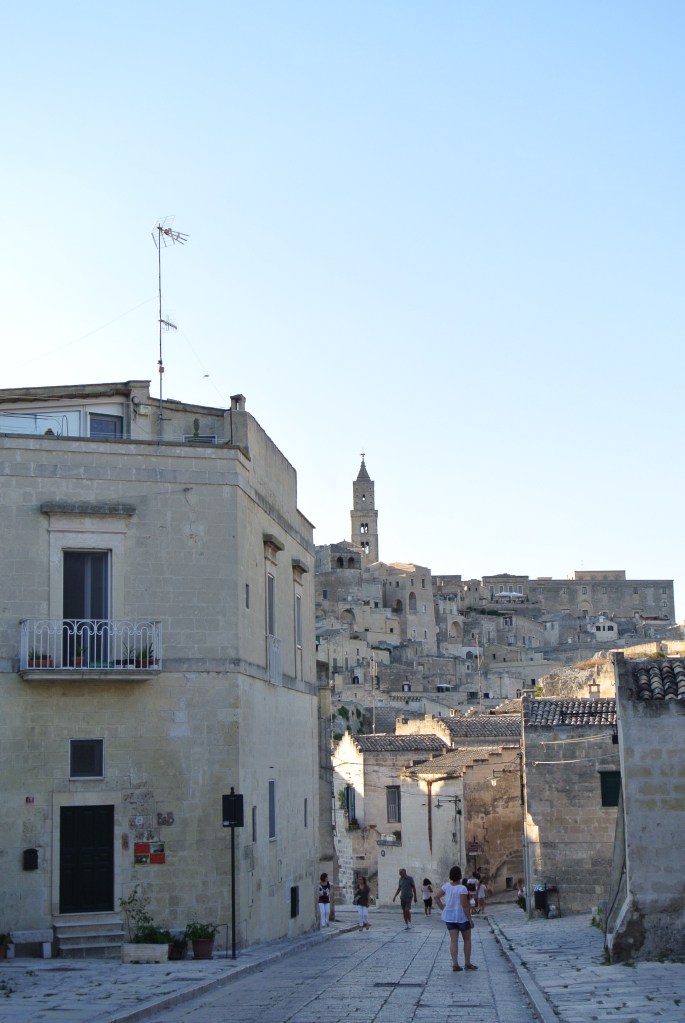
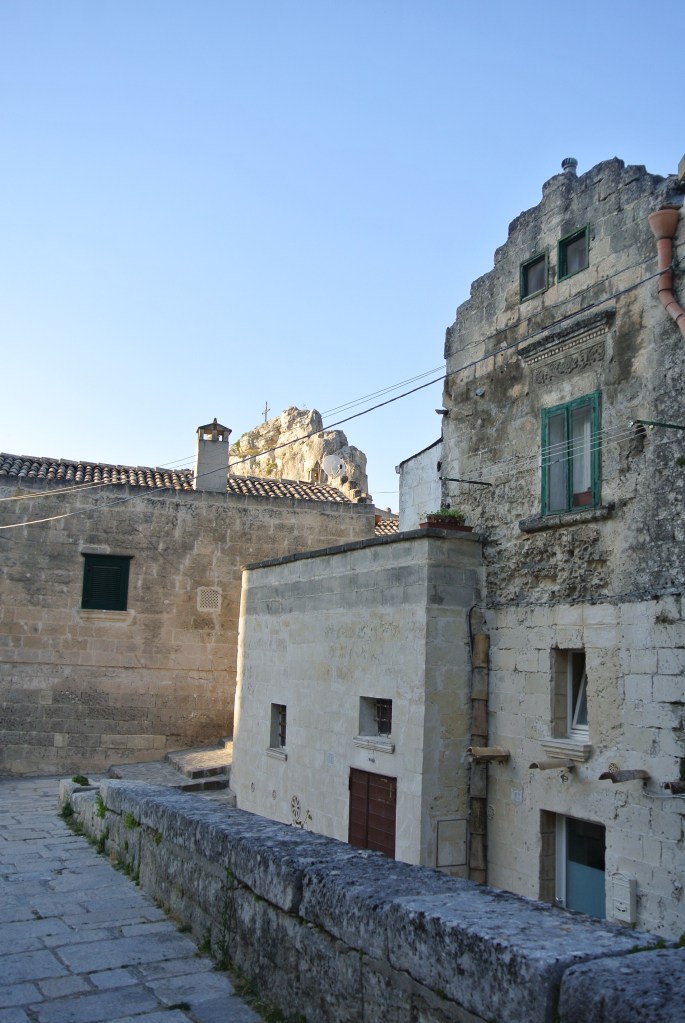
After your trip to Casa Noha, descend further down into the Sassi. Instead of picking a destination, simply stroll the meandering streets.
Evening
Most of the bars in Matera embrace a typical aperitivo – think Aperol Spritz from a bottle and a plate of sun-warmed potato chips and olives. While we love this most evenings, on your first evening in Matera it’s time to raise your standards and head to Area 8. A proud Cocktail Bar, the menu doesn’t disclose the bitter used in its spritz. Their website may boast about their famous visitors – Wes Anderson with Jason Schwartzman, Joaquin Phoenix, the guy who installed their wifi – but you should go not for the chance to spot stars but for drinks like the Negroni del Dottore made with smoky mezcal and coffee amaro.
Dinner
La Lopa is barely a stone’s throw from Area 8, which is great because it also happens to be one of the restaurants we most advise visiting in Matera. The focus is on cucina tipica with special attention paid to ingredients that are part of Slow Food presidia (unique ingredients considered to be protected by the Italian organization Slow Food). Look for those items, then order a few. If you’re into fish, consider the baccala’, which is served either with pasta or stewed with tomatoes and potatoes.
If you’re walking back along Via Domenico Ridola, then stop by i Vizi degli Angeli (The Angels’ Vices) for gelato. Yes, there is a squid sculpture above your head. Take that as an indication to venture beyond your normal variegato alla nutella or Paw Patrol order, and embrace a new-to-you flavor.
Day Two
Morning
If breakfast at your hotel doesn’t quite cut it, then pass by Bar Pasticceria Schiuma. We admit the name – it literally means Foam Pastry Café – won’t win an award, but the coffee and pastries will taste delicious and the location is a perfect jumping off point for exploring the Sassi more in depth.
Fortified with espresso and sugar, head to Museo Laboratorio della Civita Contadina. Museum is a polite word for a space that looks more like bric-a-brac hung from walls. These are the tools that Matera’s residents would have used to make their living, whether that be from shoe-shining or shepherding or tailoring. There’s not quite enough information to explain every item on display, and that’s a good thing otherwise you’d spend your whole day reading about historic scissors and oil lamps.
Decompress with a walk toward the Casa Grotta di Vico Solitario. Here you’ll (finally) step into a house designed where a 1940s family in Matera might have lived. It may look like the previous museum, but that’s the point. It’s impressive that these families would have been able to fit into a relatively small space. While the area is fascinating, unfortunately the information isn’t as robust as it should be, and you’ll find yourself drawing on the background you gained at Casa Noha to fill in the blanks about what life in the Sassi would have been like.
Lunch
Keep lunch short with a slice of focaccia, torta salata or a sandwich from Il Forno Nei Sassi Martino. Grab a seat at one of the outdoor tables to enjoy some midday tourist watching alongside your oil- and vegetable-rich bread. If you’re craving a sweet chaser, pop across the street for a cream filled bun or scoop of salted pistachio gelato at Schiuma Gelateria.
Afternoon
Continue your tour of the Sassi at Moom, a museum highlighting how olive oil used to be produced that’s housed in a former olive oil factory (note – you’ll need to book a tour in advance). The heavy stones of the refurbished machinery belies the delicate olive oil it produces, and which you’ll sample at the end of your tour.
Afterwards, continue on toward the Museo Monastero del Casalnuovo (another one which you’ll want to inquire about visiting in advance). Unlike the other museum houses in the Sassi, this one is owner-operated and contains items that actually belonged to the family-owners. There’s also unique frescos and a spectacular view of the city, enabled by the fact that the museum wraps around a bend in the mountain.
If you don’t manage to book either tour, there’s still plenty of other small historic museum houses to dip into in the Sassi. Consult this map for information.
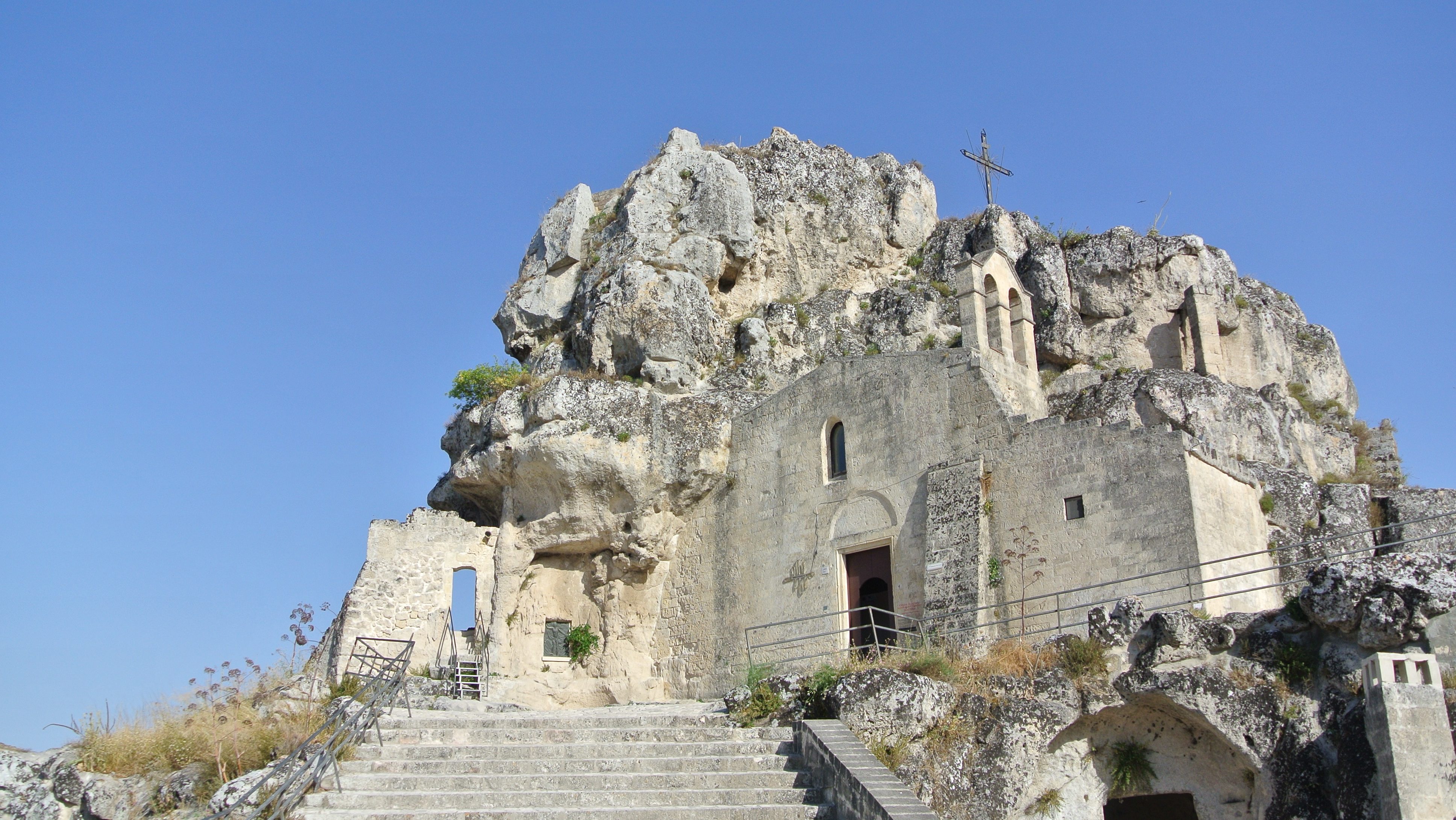
Walk back towards the Church of Santa Maria di Idris. While the church’s face looks like any other church, the rest of it disappears into the rocks. It’s a chiesa rupestre and actually carved out of the rock. This becomes evident as you wander the cavern-like rooms and see frescoes barely illuminated by modern lamps.
If you’re interested in exploring this type of church further, you can also arrange a visit to the nearby Parco delle Chiese Rupestre. Located outside the city center, it houses countless rock-carved church, many in worse repair than this city-center gem, but still with fascinating frescoes.
Evening
Weary with history, head to Ridola Caffe, located on Via Domenico Ridola towards the modern part of the city. Keep it simple and order a spritz (Campari or Aperol, it’s your choice) or a chinotto, then enjoy the people watching as the city emerges for its evening passeggiata.
Dinner
Stick to the newer reaches of the city for dinner and head to Il Cantuccio, where you’ll find regional favorite pasta orecchiette served in every manner including made with smoky burnt grain (grano arso). If you must deviate from pasta, stick to the regional recipes like Matera’s bread soup. This improbable recipe blends stale bread, bitter greens, tomatoes and cheese into a delicious meal. Post-dinner, look out for the affogato featuring the local amaro, Amaro Lucano.
Day Three
Morning
If you want to continue your tour of Matera’s coffee shops, head to Caffe’ Tripoli, located on the Piazza Vittorio Veneto. Pay the extra few euros to sit, people watch and drink your caffe’ macchiato at a table outside.
Your first stop for the day is located directly across the piazza – the Palombaro Lungo. This man-made underground water system was built in the sixteenth century to bring fresh drinking water to residents. Your tour will take you along raised platforms throughout the complex, where you’ll get a sense of the scale of this massive cistern.
The tour of the Palombaro is quite short, so you’ll have time to pop into the Museo Archeologico Nazionale Domenico Ridola before lunch, located across the street from yesterday evening’s aperitivo. Like most archeological museums in southern Italy, the focus here is on Greek pottery, excavated from the surrounding areas, and in remarkably good condition.
Lunch
Take lunch at a leisurely pace over a plate of near-perfect fresh pasta at Kapunto. While the orecchiette is reliably good, we recommend opting for the ravioli, which come stuffed with unique fillings like shrimp and zucchini or sun-dried sweet peppers (peperoni cruchi).
Afternoon
Head back to Via Domenico Ridola to see the second branch of the Museo Nazionale di Matera, located at Palazzo Lanfranchi. Regional art is the focus here, but the main attraction for most visitors will be the painting Lucania 61 by Carlo Levi – the Italian author who spent time nearby in political exile during World War 2, wrote Christ Stopped at Eboli then became a champion for Matera. In the other rooms, you’ll take a whirlwind tour of Basilicata’s art history from the middle ages through to the late twentieth century. How long you spend is dependent on how interested you are in art.
If you finish in the mid afternoon, then walk back into the Sassi to visit Matera’s main church, the Cattedrale di Matera. The church may be located within the Sassi, but the interiors are as Baroque as can be with plenty of marble and gold. It’s impressive, but we’ve put it toward the end of your Matera tour as it’s one of the less unique things you’ll see during your time in the city.
Evening
For your nightly aperitivo, head to Radino Wine. Usually, we’re looking for al fresco places for people watching, but this chic wine bar plays up its Sassi location to an airy yet cozy effect – perfect for your last night in Matera. While food is available, the portions tend to be small and expensive, so we recommend splitting a single dish if you’re hungry and prioritizing a pre-dinner glass of wine.
Dinner
Make your way to Genuino Tra Mare e Tradizione for dinner. Once you take in the tastefully colorful interior, you’ll appreciate the fact that the menu focuses on regional produce. If you’ve had enough pasta recently, we advise opting for a pizza. Be sure to save room for its regional millefeuille, which combines local bread with custard and blackcurrants.
 Roam The Reaches