Vienna, Austria was a bucket list destination of ours for a long time. But for our two-week train tour around Central and Eastern Europe, we only scheduled one day in Vienna. It was a bit crazy. There’s so much to do in this history-steeped city that you could spend two weeks, easily.
That being said, for most travellers, a four day tour should give you a tempting taster of Vienna’s major sights and local culture. This post will cover Vienna travel tips, including both sightseeing highlights and a full four-day itinerary based on several of our trips through the city.
What’s Included:
- Why should I visit Vienna?
- When is the best time to visit Vienna?
- How do I get to Vienna?
- Can I visit Vienna as a day trip?
- Where is the best place to stay?
- 5 Activities you Must Do in Vienna
- Four-Day Itinerary
Why should I visit Vienna?
Vienna was the epicentre of the Austro-Hungarian Empire, a seat of power for the Habsburgs, and the pulsing heart of early twentieth century thought. Whether you’re interested in music, art, architecture, food, literature or even, yes, psychoanalysis, there’s a facet of Vienna’s legacy to entice you.
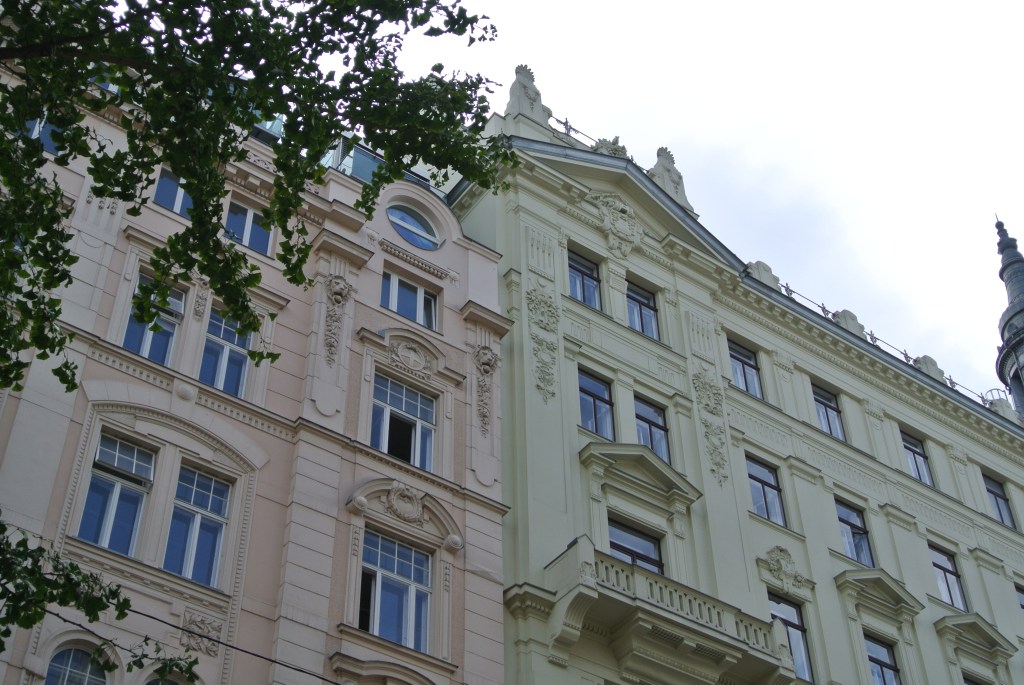
But it would be a shame to dwell too much on the past because the modern city is thrilling in its own right. Vienna is consistently voted as one of the world’s most liveable cities. It only takes a few minutes walking the pristine streets – where bikes fly past intricate Art Nouveau buildings – to understand that Vienna succeeds in merging a metropolitan atmosphere with the niceties of small town living.

When is the best time to visit Vienna?
We’ve visited Vienna during a few different seasons and recommend traveling in either spring or fall. In summer Vienna can get quite hot causing the locals to flee to the Austrian Alps. In spring or fall temperatures should be manageable, locals will be aplenty and, since you’re outside of peak travel times, prices will be cheaper.
How do I get to Vienna?
If you follow our train tour through Central and Eastern Europe, you’ll arrive in Vienna by boat or by train (the boat ride is a bit longer, but worth it!). If you arrive by air, you’ll land at Vienna’s international airport (VIE) and from there can hop on an express train to arrive in the city center in about 15 minutes. Australian Airlines offers direct flights from the US, though these can be expensive. A cheaper option is usually to transit through Paris, Amsterdam or London.
From Vienna’s main train station (Vienna Hauptbahnhof), you can easily take the M1 metro to the city center. From the boat drop-off, you’re a quick Metro ride away from St. Stephen’s Cathedral, located in the heart of Vienna’s historic center.
Can I do Vienna as a day trip?
You can travel to Vienna from Bratislava as a day trip. If you choose to limit yourself to a day in the city, consider the tour a highlights reel. For us, that meant a tour of St. Stephan’s Cathedral, lunch at Cafe Prueckel, a visit to the armor collection and Brueghel paintings at the Kunsthistorisches, and a quick stop in the Manner store.
But if you have more time, read on for all of the highlights and a full four-day tour.

Where is the best place to stay in Vienna?
Vienna is best experienced from a local perspective. And that means opting for a smaller, boutique hotel on the outskirts of the city. Here’s our recommendations:
- Graetzl Hotel – This hotel is located in one of Vienna’s hippest districts and has an effortless cool ambiance to match. From the airy rooms to the free bikes, you’ll feel like a local as soon as you check in.
- Zoku Vienna – We prefer to avoid chain hotels, but Zoku is different. Its serviced apartment model is perfect if you’re looking for more space, or thinking about extending your stay and working remotely. The aesthetic is neat and modern, plus there’s an awesome rooftop restaurant that’s open all day long.
- Hotel Fabrik – This family-run hotel boasts the clean, modern aesthetics you’ll find at our other top picks, but the local atmosphere puts it over the top. It’s located inside an old textile factory and most rooms face an inner courtyard, making them nice and quiet. Being steps away from the U4 metro makes it ultra-convenient for jetting into the city center.
- Hotel Daniel – It’s rare when a property near a train station makes an impression on us, but Hotel Daniel is one of those places. Each room enjoys floor to ceiling windows, giving even the cheapest rates top-notch views. The lobby offers a funky bar that’s perfect for reviewing your itinerary over coffee or sampling Austrian wine in the evening.

5 Activities you Must Do in Vienna
You’re sure to consider your entire trip to be a highlight, but here are some of the activities that are particularly memorable.
- Wander through the Kunsthistorisches Museum. If you’re an avid art fan, you probably already have a list the length of your arm of the works you want to see at Vienna’s preeminent art museum. For everyone else? Amble through the halls (which are a sight to behold in and of themselves) and stop at what interests you, whether that be gilt automatons or medieval armor.
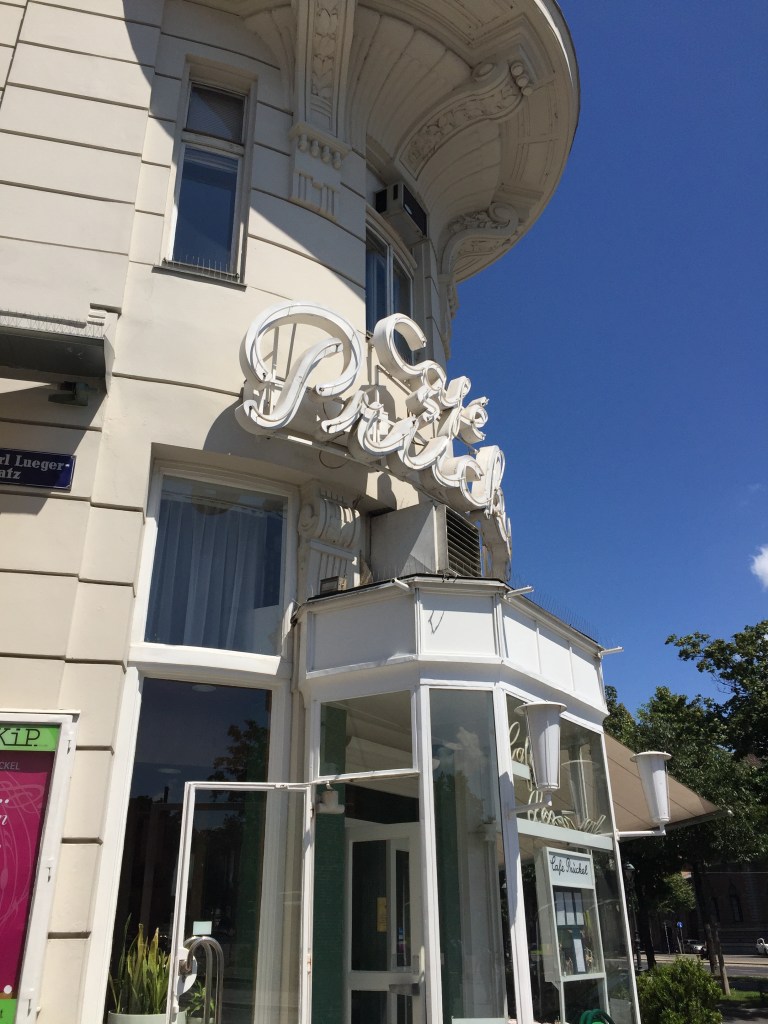
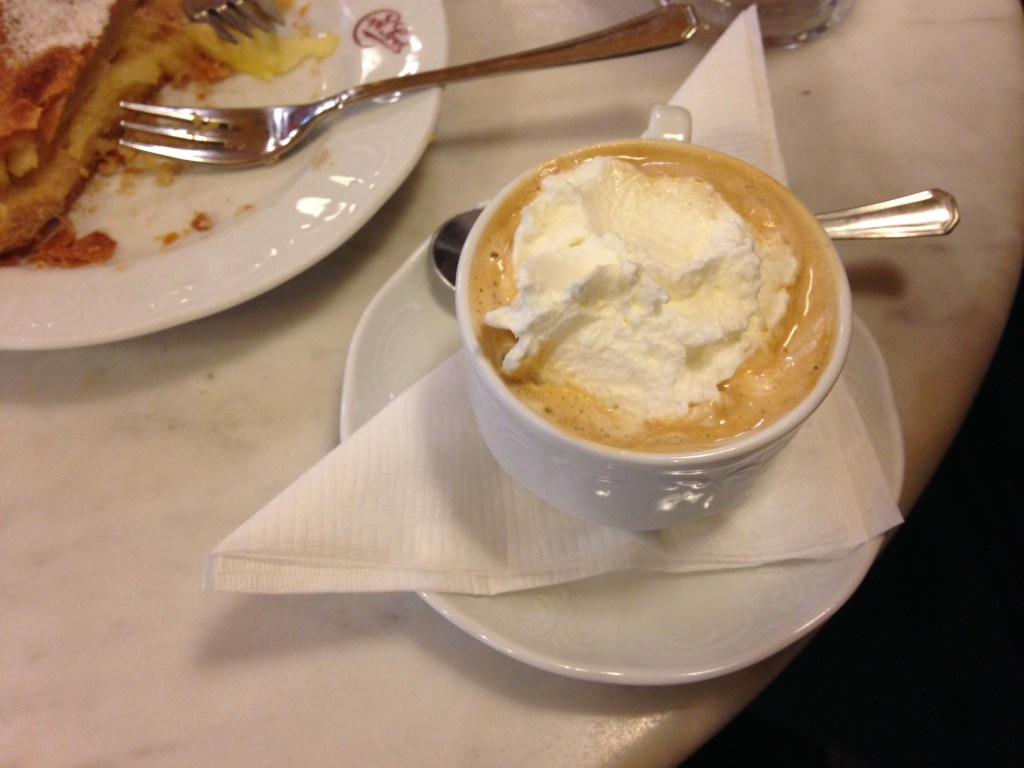
- Drink coffee in an authentic Viennese cafe. From the wood-panelled Cafe Sperl to the white-washed Cafe Pruckel, a Vienna-style coffee break will force you to slow down. And not just because there’s obligatory table service. The drinks are simple and delicious (espresso with whipped cream? Why not!), as are the food and pastries. Grab a newspaper on a wooden stick to feel extra local (and practice your German).
- Admire the Hundertwasserhaus, then go deeper at Museum Hundertwasser. The rippling facade of the Hundertwasserhaus might be a fixture on social media, but it’s impressive in its own right. It speaks to the ethos of experimentation that continues to define Vienna. After gawking at the exterior, learn about the architect in the nearby Museum Hundertwasser, which provides context as well as the chance to circumnavigate one of his architectural creations.
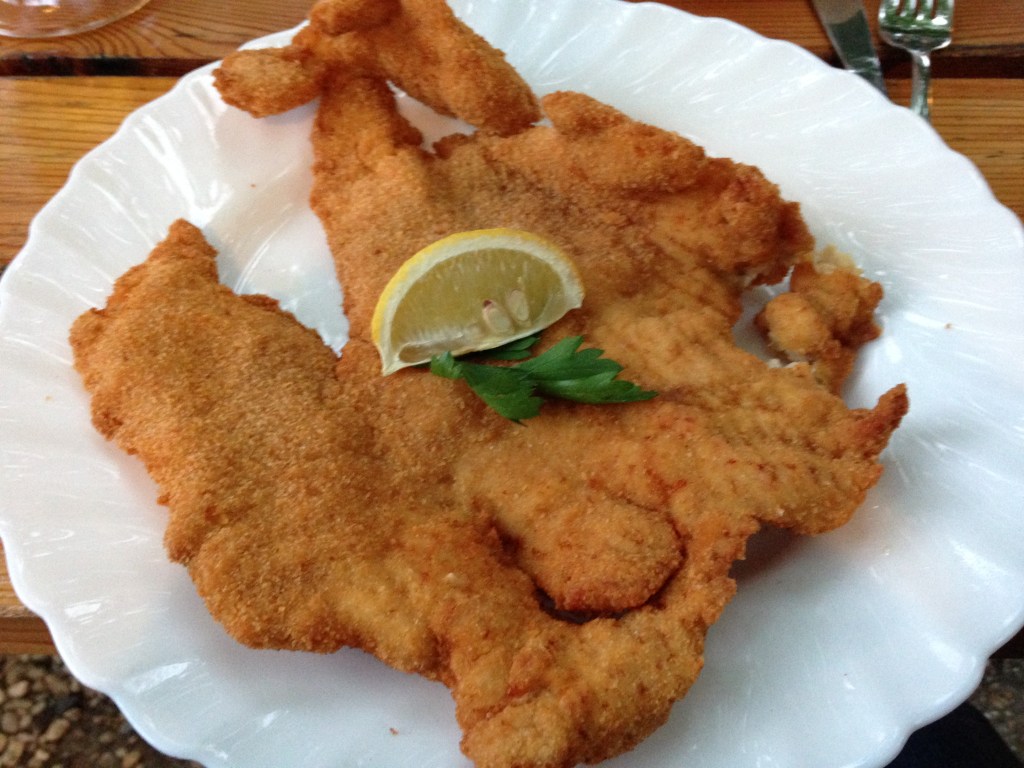
- Feast on Wiener Schnitzel in a traditional open-air beer garden. On the edge of Prater (the city’s main park), you’ll find the informal, raucous Schweizerhaus, where people jostle for picnic benches at which to eat heaping plates of Wiener Schnitzel. Drizzled with lemon, it’s a full meal, but a cool beer alongside should be considered a required accompaniment.
- Rove through Stephansdom. It’s impossible to miss St. Stephan’s Cathedral on your trip to Vienna as it towers in the middle of the historic district, but maximizing your visit is key to appreciating it as an icon of the city. Go from the eerie catacombs to the teetering towers, then spend some time outside to take in the shimmering mosaic roof.

The Four Day Essential Vienna Itinerary
Four days is enough to take you from history to modernity, then back again. We’ve optimized the itinerary to enmesh you in the best Vienna has to offer, but do adjust according to your interests.
Day One – Stephansdom, Prater and Wiener Schnitzel
The best place to begin in Vienna is in the center of its historic main square, which is dominated by St. Stephen’s Cathedral, better known to the locals at Stephansdom. This towering church was built in the 12th century and lures you inside with its polychromatic tiled roof. Once there, the ambiance takes a notably gothic turn with shadowed sky-high vaulted ceilings. After you explore the main floor, pay the admission to dip down into the catacombs, where piles of bones mingle alongside caskets of royalty. From there, shoot up a spire on an elevator, which affords beautiful views of the city.
Most of the shops surrounding the main square are quite touristy, but a few are unique enough to merit a visit. We loved popping into the Manner store, where you can find unique varieties of the brand’s iconic wafer biscuits, like a mini version for breakfast and chocolate-dipped orange wafers. More confectionery-themed tourist spots worth visiting include Demel, a luxurious 18th century cafe known for its sachertorte, and Julius Meinl am Graben, a high-end supermarket perfect for culinary souvenirs.
For a pick me up, swing by Cafe Sperl. This wood-panelled cafe dates back to 1880 and retains a local atmosphere (unlike the cafes that surround St. Stephan’s Cathedral). Get coffee, a sandwich and a pastry. Sachertorte or apple strudel are classic options, though also consider the Sperl cake, a milk chocolate cake studded with cinnamon and almond paste.

Begin your immersion in modern Vienna at Hundertwasserhaus. This multi-colored building was built in the 1980s by the architect Frederich Hundertwasser, who was experimenting with structures that evoked nature with fluid lines and plenty of greenery. While the actual building isn’t open to tourists – some people are lucky enough to live there – the outside is fascinating to examine. It also provides a useful backdrop for your next stop, the Museum Hundertwasser, which traces Hundertwasser’s architectural formation and legacy.
Refresh yourself with a walk through Prater. While a park has existed in some form in this area since the 12th century, the public park dates back to 1766. Around the same time, the amusement park Wurstelprater opened up, which houses Vienna’s much-loved Riesenrad ferris wheel. There’s also the Liliputbahn, a narrow gauge railway that takes people from one end of the park to the other.
When dinner time rolls around, head over to Schweizerhaus on the park’s perimeter. This boisterous beer garden is known for its wiener schnitzel, which comes overflowing on its plate, apart from a delicate lemon wedge on the side. Get a beer alongside and while away the evening watching the Viennese kick back.



Day Two – Museumsquartier
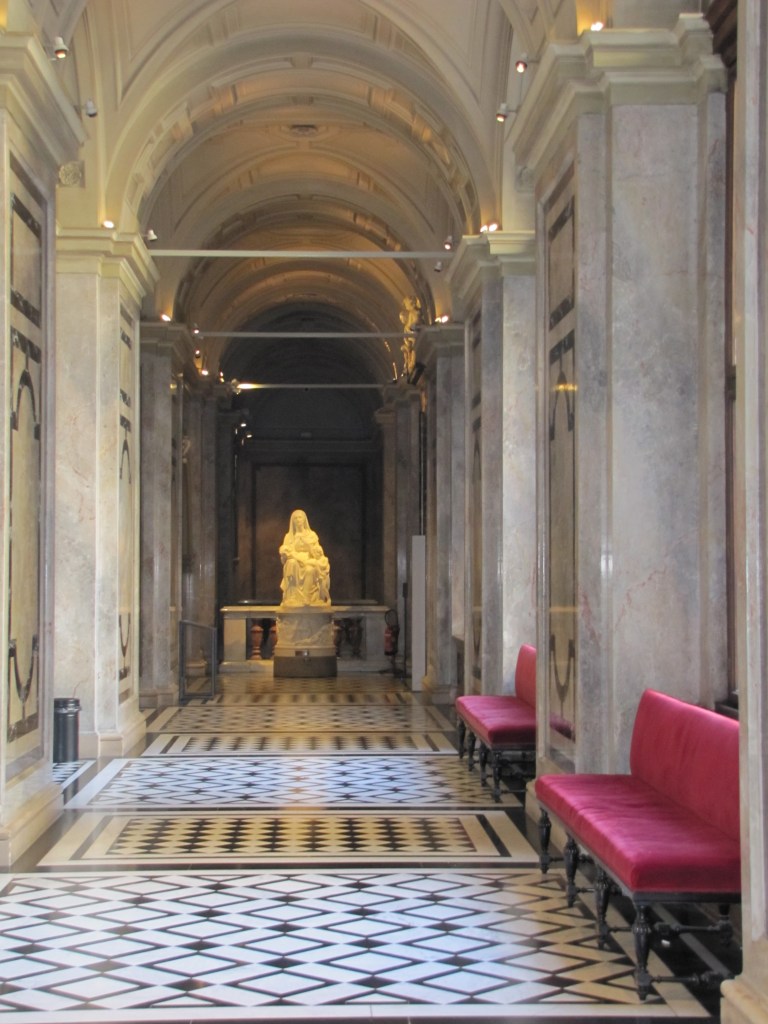
Vienna’s Museumsquartier is one of the city’s key attractions. It collects the majority of the city’s museums in a single easy-to-navigate district and encapsulates the variety of Vienna’s cultural and artistic patrimony.
Start where your interests most lie. Love modern art? The Leopold Museum is for you. Prefer the Old Masters, with a side of armor and automatons? Beeline for the Kunsthistorisches.
We started at the latter and considered the armor and Brueghel room a highlight of the trip. There’s A LOT to look at in the galleries, so we recommend carefully looking over the floor plan before you set out to identify the sections you’re most eager to see.
That’s partly because it would be a shame not to stretch yourself and try something new, whether that’s seeing the seeing pieces by the likes of Picasso and Warhol at the contemporary museum Mumok or delving into the world of design at Kunsthalle Wien.
In the evening, let loose at Erich, a cafe-meets-bar-meets-brasserie tucked underground in the city’s 7th District. Vegetarian’s will love the low-meat menu, but there’s truly something for everyone whether you want to try a Viennese tacos or dig into a braised lamb leg.

Day Three – MAK and Karlskirche
Take a slow start to the day with breakfast at one of the city’s famed cafes. Since you spent yesterday steeped in history, we recommend heading to Cafe Prueckel. This airy cafe straddles the border between modernity and history, emerging as a perfected vision of what the 1950s in Vienna might have looked like. Get a coffee and pastry to go alongside – Vienna is the home of the croissant after all!
Head over to MAK, the museum of applied arts. It’s a clunky name for an intriguing collection, which has all manner of handcrafts throughout the ages. Lose yourself in meticulously hand-woven lace, then comb through Vienna’s astonishing design legacy, which encompasses bent-wood Thonet chairs to everyday metal goods from the Wiener Werkstätte.
Afterwards, take a leisurely walk down to Kalskirche. This Baroque church was built in the early eighteenth century to give thanks for the ending of the recent plague epidemic – which in retrospect seems a small gesture. But between the marble columns and the gold reliefs, the interior is a sight to behold. Be sure to take a close look at the narrative columns, inspired by Trajan’s Column in Rome, which flank the exterior.
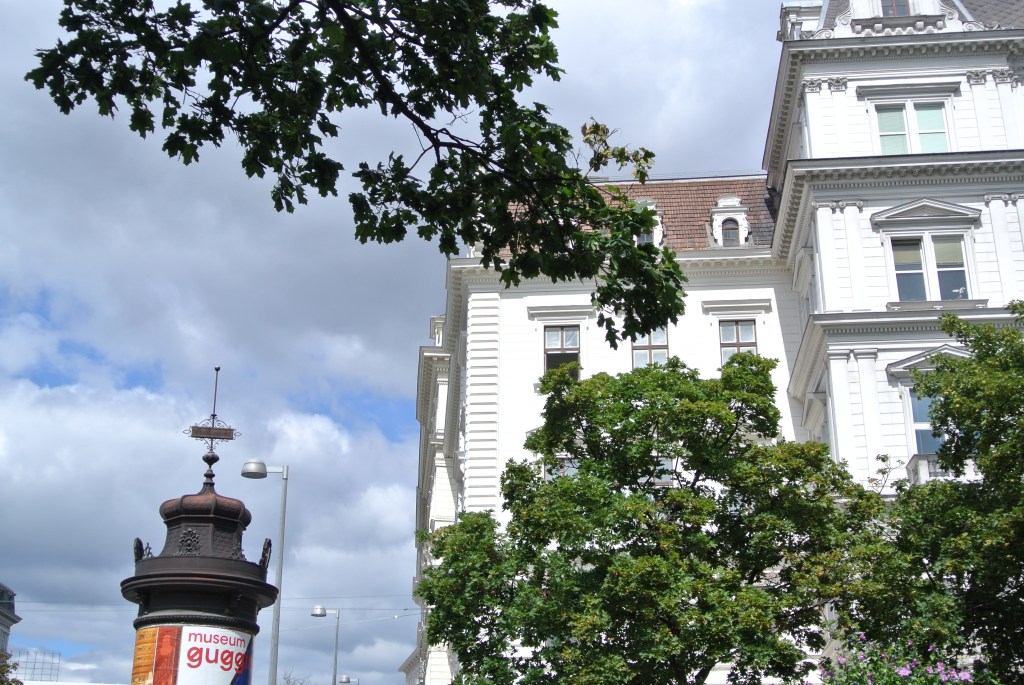
Before you finish your day, pop by the Secession. This stark white building, with glittering gold dome, houses Klimt’s Beethoven Frieze, which is worth a trip if you’re a Klimt fan. For everyone else, pausing to appreciate the unique exterior, which encapsulates the ethos of the Secession art movement, will suffice.
For dinner, sample a traditional Austrian bistro, which is kind of like a cross between a pub and an old school restaurant. We like Ubl, which has a no frills atmosphere and is conveniently located just ten minutes away from your last stop. The food here is resolutely traditional, featuring the likes of beef shin, blood sausage and Austrian-style potato salad.

Day Four – Natural History Museum & Staatsopera
Tap into your inner child with a trip to the Natural History Museum. Gazing over gemstones and at dinosaur bones is a lovely diversion, and be sure to walk by the Venus of Willendorf. While the exact purpose of the figurine remains unknown, we do know that it was made over 25,000 years ago during the Upper Paleolithic period.
Afterwards, swing through the Albertina plaza for a quick lunch at Bitzinger, one of the city’s best-loved würstel kiosks. Sure, you could call them hot dogs, but giving them the German tinge makes this cheeky meal tastier. Pick from the bosna (hot dog) or käsekrainer (smoked pork sausage with cheese), then call your preferred mustard, either süss (sweet) or scharf (spicy).
Walk over to the Vienna State Opera, which offers tours of its splendid stage. The building was built in 1869, and opened with a performance of Mozart’s Don Giovanni. Despite being bombed during World War Two, extensive renovation means the structure retains its golden-age glory. The typical season sees over 300 different music and dance performances, and the inner workings are just as fascinating as the onstage spectacles.
Finish up your trip walking by the Pavilion designed by Otto Wagner, one of the city’s best-known Art Nouveau architects. Located on the edge of Karlsplatz, this impressive structure used to be a rail station, but today houses a museum exploring Wagner’s works and legacy. Pop in if you have time and are an architecture fan.
Cap off your final day with wine and small bites at Feinkosterei, a casual-but-nice wine bar that offers a range of Austrian varietals, as well as an intriguing selection of fruit brandies.
 Roam The Reaches