For many visitors, Milan is a love-it or hate-it destination. The city is Italy’s economic engine with more skyscrapers, wealth, and commerce than its neighbors. Throw in its gray winter weather and Milan doesn’t conform to the foreign fantasy of the Bel Paese. To love Milan is to appreciate what makes it unique in Italy, and uniquely Italian.
This itinerary will guide you through Milan’s star attractions, from the sights that send tourists there in the first place (like the Last Supper and the Duomo) to the lesser-known, but no less marvelous stops (including the spectacular Museo Bagatti-Valsecchi and the Museum of Science and Technology). We’ll tell you can lunch next to bankers and fashionistas, and where to get an actually good aperitivo in the buzzy Navigli canal district.
Our itinerary lasts three days, which we consider the minimum amount of time you need to experience Milan’s distinct atmosphere. Since this is a large city, there are plenty of other attractions you can add on to extend your stay and understand Milan more deeply. We also provide tips on day trips from Milan, as well as other nearby destinations to extend your time in northern Italy.
What’s Included:
- Where is Milan?
- How Do I Get to Milan?
- How Long Should I Spend in Milan?
- Where to Stay in Milan
- Three Day Itinerary for Milan, Italy
- How to Extend Your Time Around Milan: Pavia
Where is Milan?
Milan is located in the center-north of Italy and is the capital of the Lombardy region. It’s about 380 miles north of Rome, 220 miles north of Florence and 160 miles west of Venice. These distances may sound long, but since Milan is Italy’s financial engine, lots of people come to the city to do business, so it’s well connected with the entire peninsula. From Milano Centrale, the main train station, you can get high-speed trains to all major Italian cities, including a trains that will take you to Sicily, Paris and Munich. The city has two airports, which provide both regional and international connections. International and long-haul flights tend to leave from Malpensa, located about an hour’s train journey from central Milan, while European and domestic destinations are serviced by the more central airport Linate.
Milan also makes a great jumping off point for exploring the rest of northern Italy. Head west and you can explore the likes of Turin and Genoa – Italy’s first capital and famous port city, respectively. Venture east and you can see natural scenery like the lake district or the Dolomites, or visit some of Italy’s most famous cities, like Verona, Venice and Bologna. There are also plenty of smaller cities that you can explore as a day trip or overnight stay from Milan.
How Do I Get to Milan?
Milan is easily reachable by plane from many international destinations, and by train from within Europe. The primary airport, Malpensa, is located about 30 miles from the city center, and it is well connected by express and regional trains to the city’s major rail stations including Milano Bovisa, Porta Garibaldi, Milano Centrale, and Milan Cadorna. When arriving at Linate, you can take either the Metro into the city center or a shuttle bus to the main train station.
When considering travel within Italy, we highly recommend attaching a trip to Milan onto travel elsewhere in Northern Italy including to Turin, Genoa, Bologna, or Venice. These destinations are all easily reached from Milan on the Frecciabianca high speed trains in anywhere from 1 to 2.5 hours.
How Long Should I Spend in Milan?
Given Milan’s deep history, as well as its reputation as an epicenter of the design industry, you could easily spend a week or more exploring the city and its landmarks. However, we think Milan is best appreciated in smaller doses when you can focus your visit on one neighborhood or cluster of highlights. One of the most exciting parts of visiting Milan is being able to sample new hotels, restaurants and museums on each trip. You can also return to the quintessential landmarks, allowing you to appreciate them anew each time. For these reasons, we suggest combining Milan with longer trips in northern Italy or southern Switzerland, and treating it as the start or end of these vacations.
Below we cover a three day tour of Milan that highlights the must-see attractions and which is designed to be the start or end of a northern Italy multi-week trip. It’s a good itinerary for your first trip to Milan. But if you want to extend your trip to a full week or more, be sure to check out our additional recommendations for extending your time in Milan.
Where to Stay in Milan
Milan has plenty of hotels, but they tend to fill up fast and be more expensive than what you will see in other nearby major Italian cities. Some of our personal favorite hotels are located outside the old city center.
- La Favia – Book ahead to secure one of the four rooms in this charming boutique hotel. The prices are reasonable, the design well-thought out (we adore the wallpaper) and the location excellent – it’s steps away from Castello Sforzesco.
- Duo Milan Porta Nuova – Located in Milan’s neo-business district Porta Nuova, this hotel dubs itself a ‘bleisure’ (business-leisure) spot. But you don’t need to be working to enjoy the colorful interiors or the sleek surrounding neighborhood.
- Combo – This hotel isn’t central, but what it lacks in proximity to the Duomo it makes up for in its cool-kid status. Choose between beds in shared rooms or a slightly more expensive private room. The design leans industrial chic with cement floors cut with vivid textiles.
Unless it’s the reason for your visit, it’s best to avoid mid-April, which is when the Milan Design Festival happens. The city will be buzzing, but hotel rooms will also be extremely expensive.
Three Day Itinerary for Milan, Italy
Day One: Arrival and City Center East
Morning
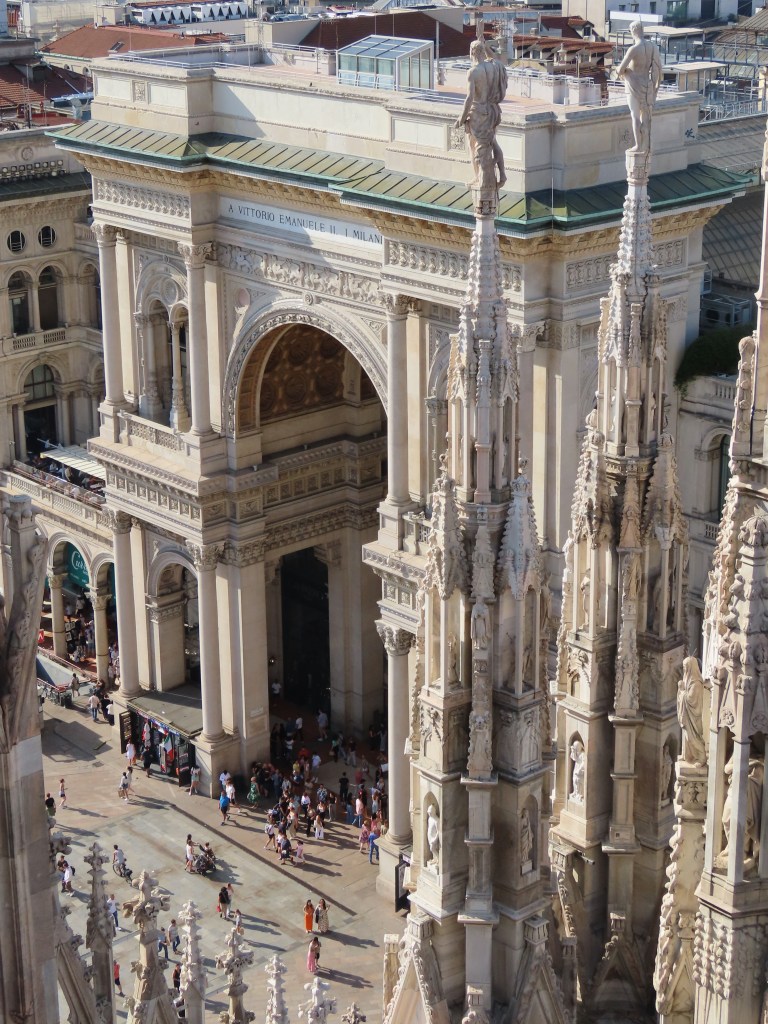
After dropping off your bags at your hotel, hop on the Metro to the Duomo stop. This is the epicenter of Milan tourism. And it’s no wonder given the hulking gothic cathedral, the ornate Galleria Vittorio Emmanuele and the surrounding museums. Rather than beeline for the Cathedral, we recommend starting with a visit to the Museo del Novecento. The museum focuses on Italian art in the twentieth century, ranging from Futurism to Arte Povera. There’s also a fifth floor observation deck with impressive views of Galleria Vittorio Emmanuele and the Duomo. The museum is free on the first Sunday of each month, but it can be extremely crowded during that time.
Afternoon
For lunch, snag an outside table at Ravizza. If you’re visiting during the week, the tables will likely be packed with local business people. Skip the pasta and focus on the salads, which are a full meal in themselves. The pastries here are particularly good, and it would be a mistake not to order a couple of cloud-like pizzette (little pizzas) to share.
Treat yourself to a post-lunch gelato at Ciacco. This gelateria has been named the best gourmet gelato in Italy by food magazine Gambero Rosso. Rather than simple chocolate or stracciatella, Ciacco serves flavors like blueberry-ricotta, pineapple-rosemary or olive oil. There are several seats inside, but it can get very busy, especially on the weekend.
Afterwards, walk to the Pinacoteca Ambrosiana, which is a few minutes to the west of the Duomo. The museum houses two floors of paintings, as well as the Biblioteca Ambrosiana, which dates back to 1609. Although the museum isn’t the largest you’ll find in Italy, its presentation is immaculate and you’ll want to devote at least a couple of hours to take in the collection.
Evening
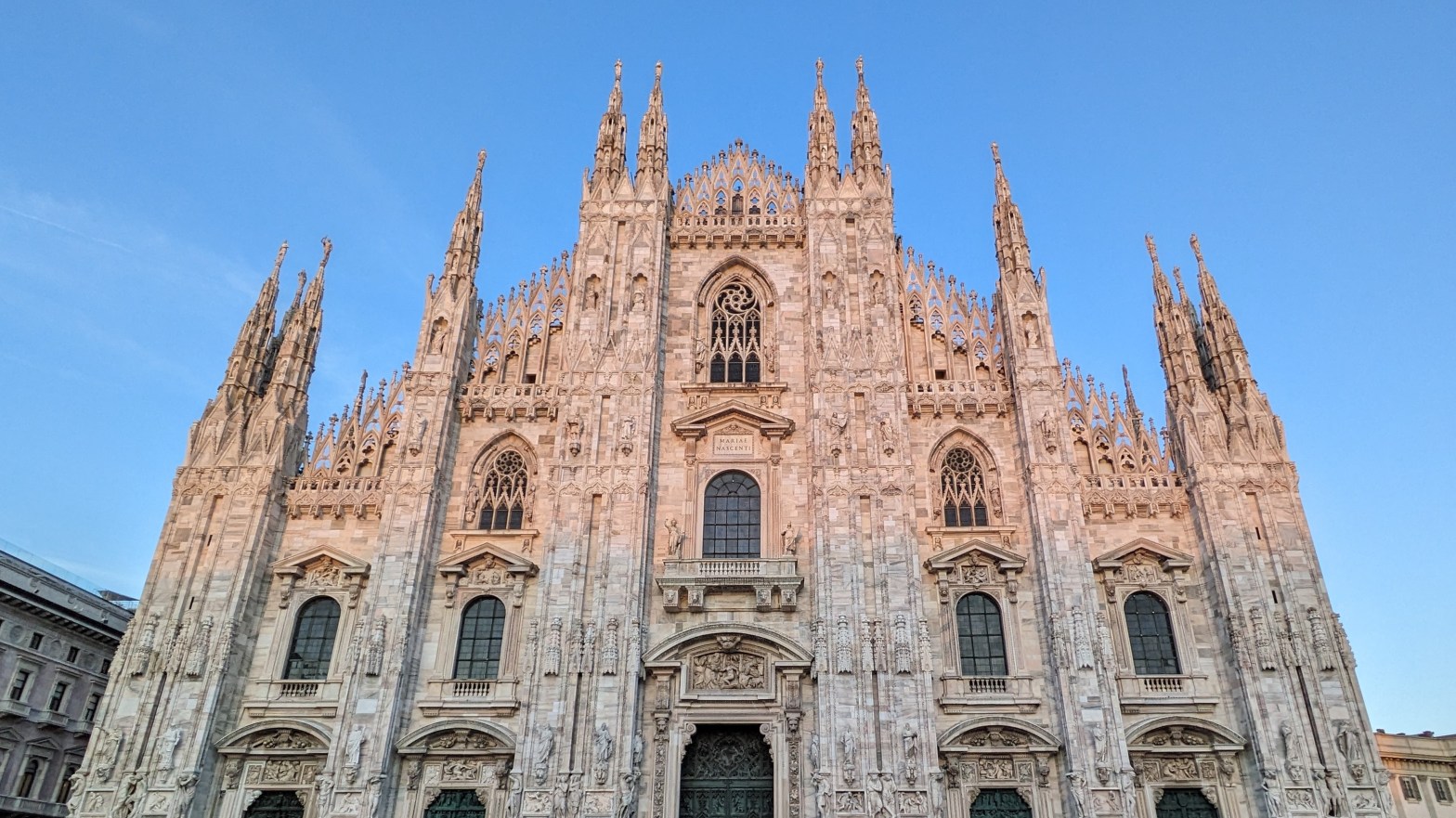
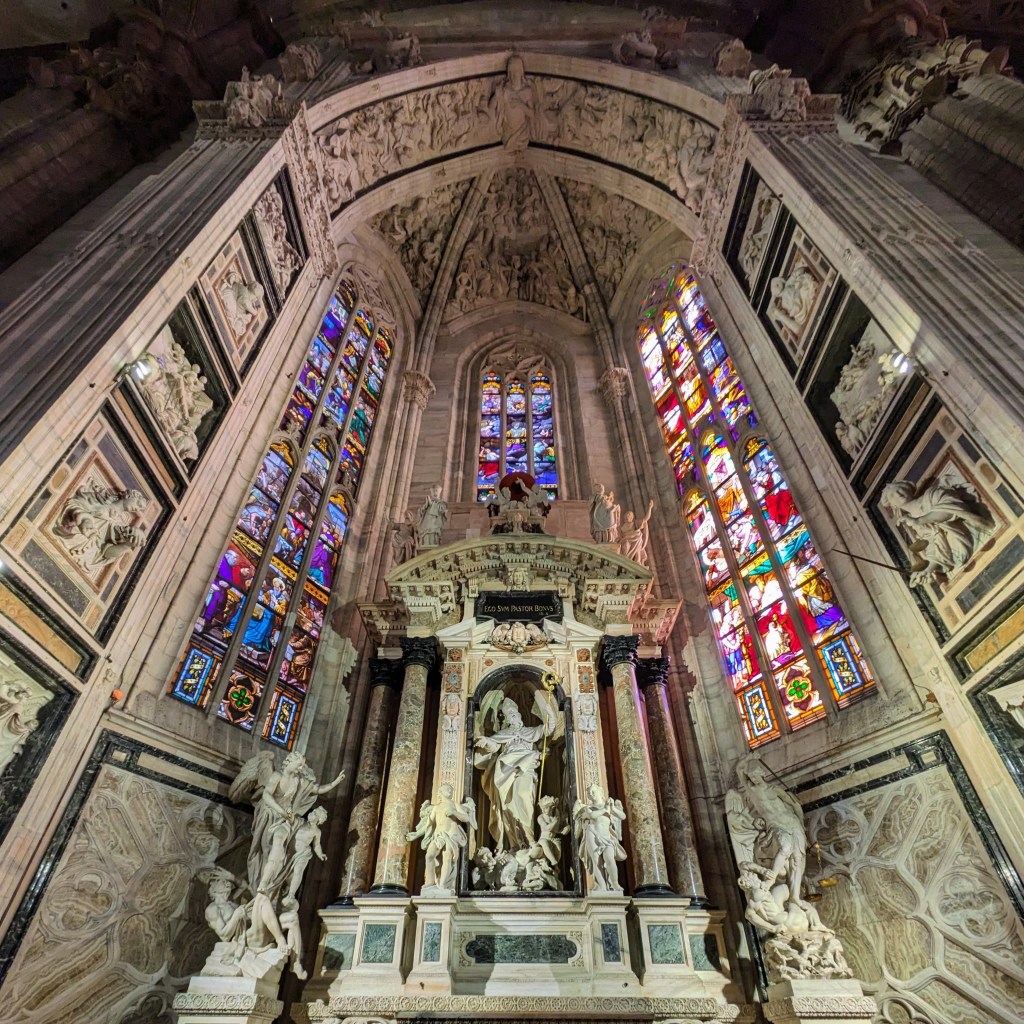
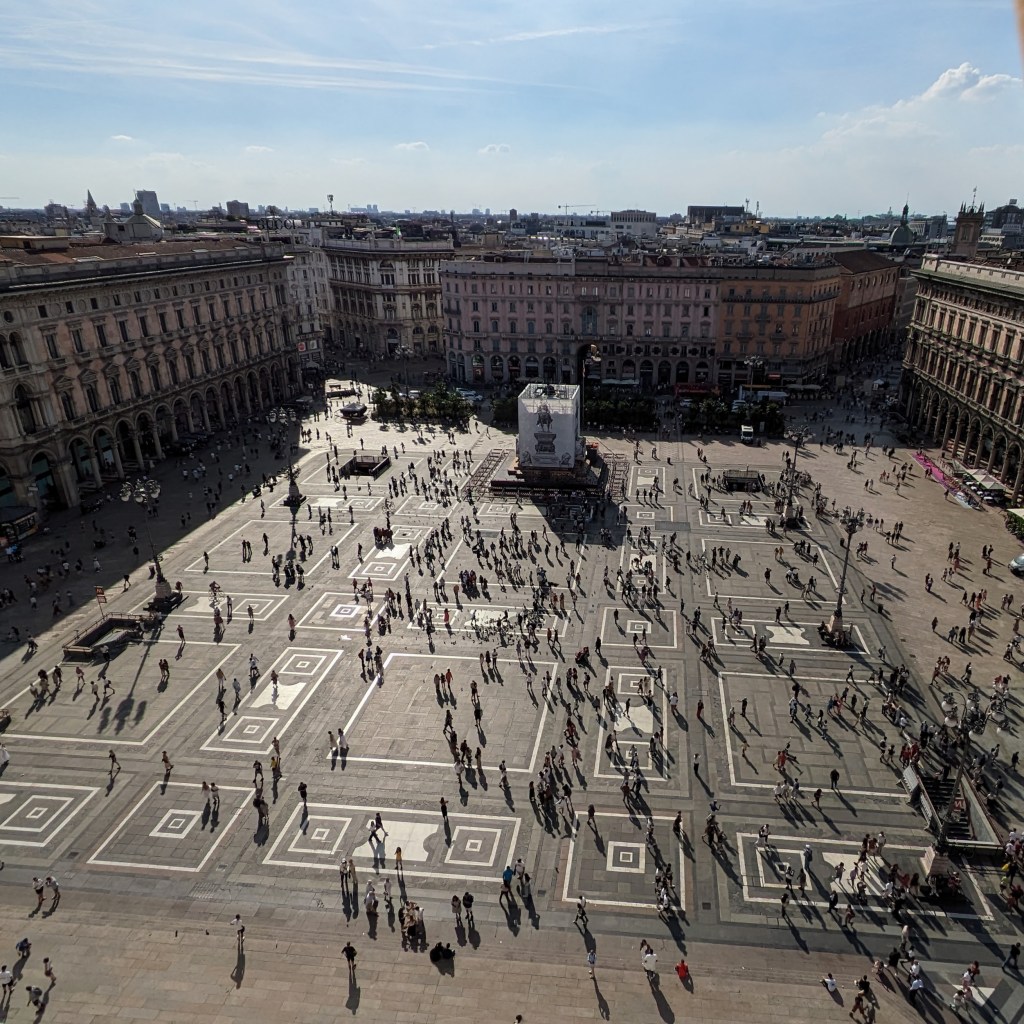
On your first day you would be remiss to skip the city’s cathedral, most frequently referred to as the Duomo di Milano, but formally called the Basilica of the Nativity of Saint Mary. Book tickets in advance to walk along the Duomo’s roof terraces. You can choose between climbing stairs to the top or taking the elevator. For the few additional euros it costs, we recommend the elevator. Whichever way you choose, you’ll find yourself wandering amidst the gargoyles and enjoying a spectacular view over the city. Iconic buildings to look out for include: Torre Velasca, Torre Diamante and the Teatro alla Scala.
You’ll descend via the stairs and enter the Duomo itself (simply show your ticket to enter). Given its massive size, the interior can feel quite dark. Be sure to look for the stained glass windows, and the incredible tapestries above the altar, which match the exquisitely intricate exterior.
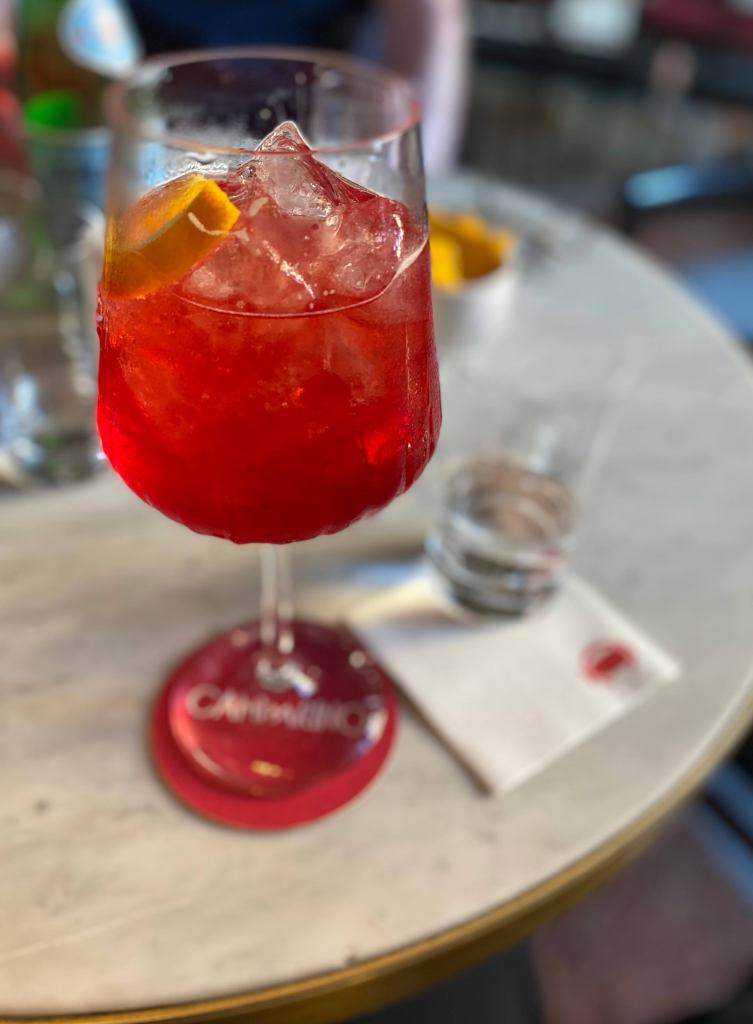
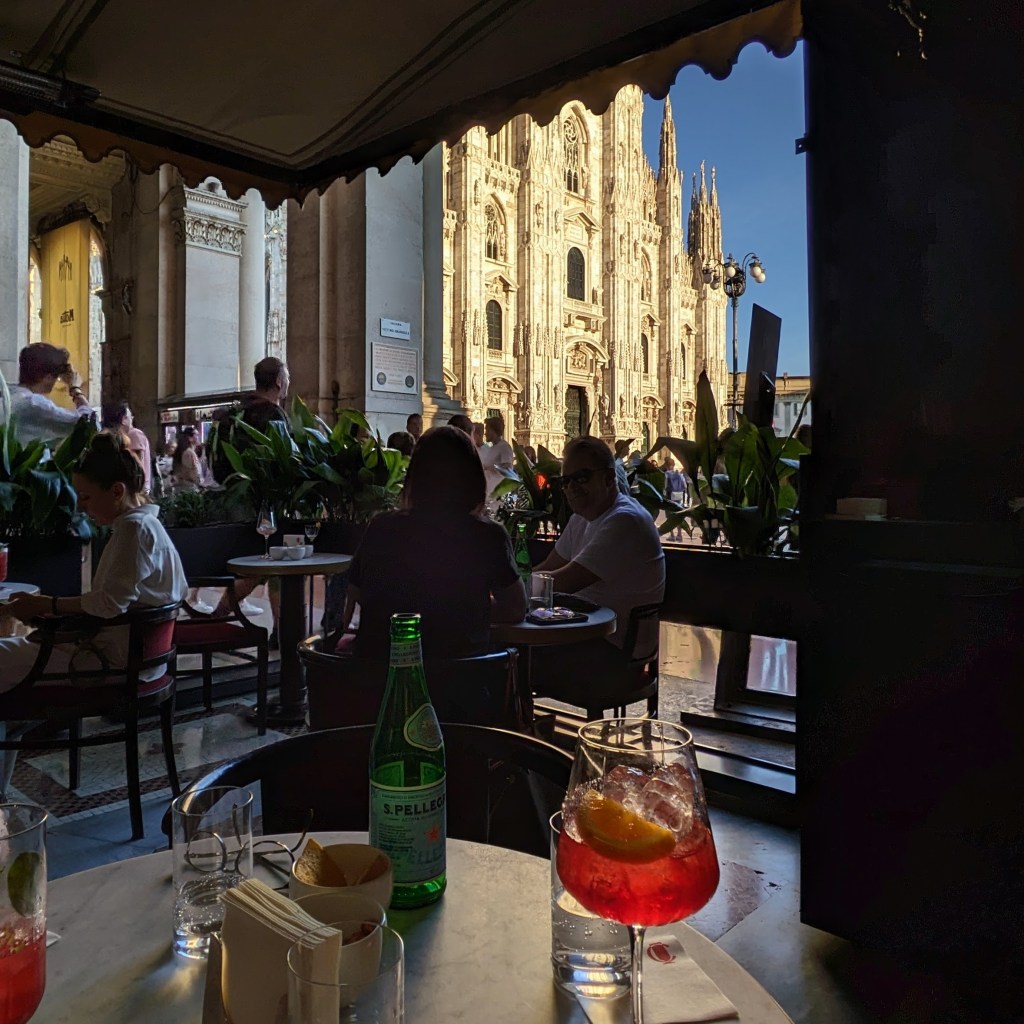
If you time your visit correctly, you should be exiting the Cathedral at sunset which is when the sun’s setting glow causes the Duomo’s Candoglia marble to light up pink. As you admire the Duomo, head toward the Galleria Vittorio Emmanuele and to Camparino, a Campari bar located at the external edge of the mall (voted one of the top 100 bars in the world in 2023). While there’s a gorgeous art nouveau bar where you can stand to sip your spritz or Campari shakerato, it’s worth the time and money to wait for a table in the small ground-level outdoor patio, which boasts fantastic views of the Duomo.
For dinner stop at Velavevodetto. Located about five minutes away from the Duomo, which is enough of a walk that the restaurant doesn’t become overrun with tourists, this restaurant boasts fantastic Roman cuisine. While the pasta dishes are delicious, consider the secondi such as stewed rabbit or polpette (meatballs).
Day Two: City Center West
Morning
If you’re staying in the vicinity of the central train station, start your morning with breakfast at Pavè. This bakery draws people from around Milan for its meticulous pastries, brunches and meals. Opt for a brioche (croissant) filled with extra-fruity marmalade, or one of the seasonal pastries, which can feature raspberry cream, frangipane with mixed berries, or peanut butter and grape jelly.
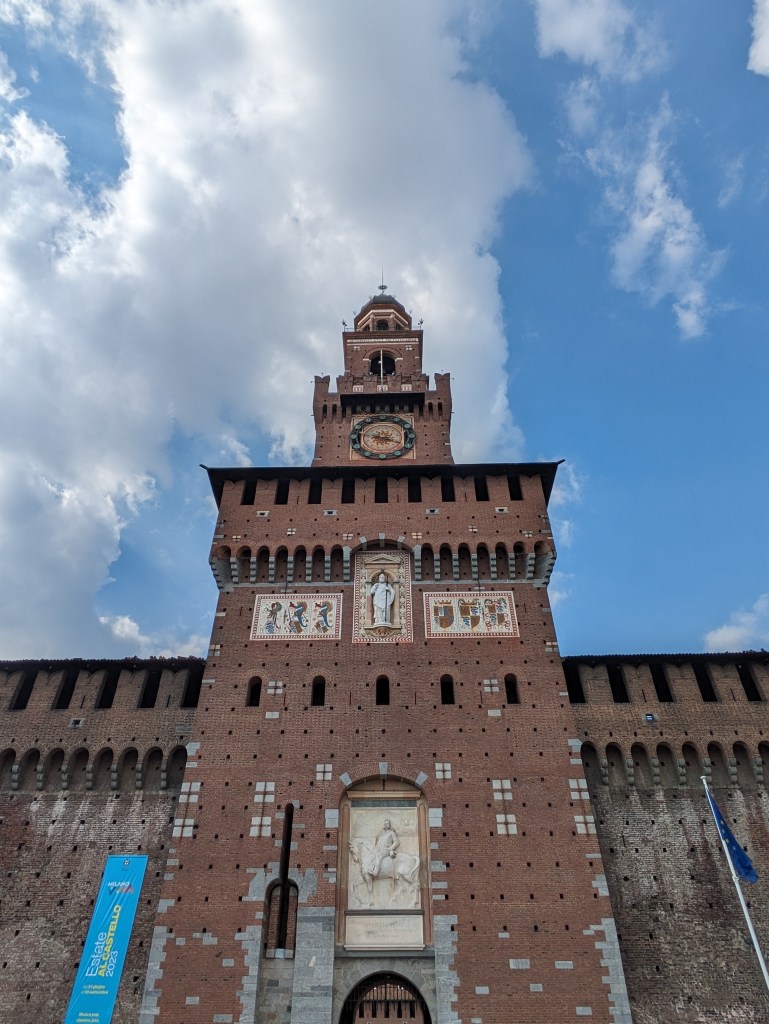
The next stop is Castello Sforzesco. The castle was the former stronghold of the Sforza family, who ruled Milan for about a century starting in the mid-1400s. It’s a large complex with several smaller courtyards to admire. Today, the castle’s interior houses multiple museums. Pick one of the museums that matches your interests or simply wander the grounds, which are free to explore.
Continue northwest in the direction of Parco Sempione, which abuts Castello Sforzesco. When the park was constructed in the late nineteenth century, it was intended to evoke an English garden. The success is debatable, but it’s a lovely spot for a stroll. Inside the park you’ll find the Triennale Design Museum, aquarium, amphitheater and Arco della Pace (Peace Arch) – originally built to commemorate Austrian rule, but completed only around the time of Italian unification.
Afternoon
For lunch, stop by PaninoLab Magenta, a refined café that offers a good selection of above-average sandwiches, both grilled and cold, as well as salads and finger foods.
If you want to visit the Last Supper in the Chiesa di Santa Maria delle Grazie, this is an excellent point in your Milan itinerary to do so. Tickets must be pre-booked and part of a tour, which are available in either English or Italian. The booking window opens roughly three months in advance. Check the website for updates.
If you do not have tickets to the Last Supper for this day, spend the remainder of your afternoon working your way south from PaninoLab stopping at Basilica di Sant’Ambrogio and the Leonardo da Vinci Museum of Science and Technology.

Evening
For the evening’s aperitivo, walk, Metro, or Tram to Porta Genova. Your destination are the canals that border Navigli, a popular nightlife spot. While the area boasts plenty of bars for aperitivo, the best is Mag Cafe. Rather than offering from-a-bottle spritzes, its top-notch bartenders are constantly refreshing the menu with inventive cocktails. When we last visited in September 2023, the menu spotlighted inventive fusions of popular drinks, like an espresso martini-paloma or an americano-daiquiri.
After your aperitivo, meander through Navigli soaking up the lively atmosphere, but then hop on a tram in the direction of your hotel and the central station for dinner at Tram Tram. You’ll want to call ahead for dinner as the restaurant only has a handful of tables, which are perpetually full. Split a perfectly cooked pasta, then order your own main and dessert.
Day Three: City Center North
Morning
Return to Galleria Vittorio Emmanuele for a special brioche at Cracco, a Michelin starred restaurant from Italian celebrity chef Carlo Cracco. Whether you sit at a table or opt for the bar, you’ll be able to choose from an astonishing variety of filled brioche. The options rotate near daily, but you can expect to find the typical cream, chocolate and jam-stuffed varieties alongside inventive fillings like chocolate-blood orange.
Head north along Via Alessandro Manzoni to the Museo Poldi Pezzoli. This small museum housed within an 18th century mansion contains an ex-private collection of northern Italian and Flemish paintings. Although the home is not nearly as grand as it was prior to its near-complete destruction during World War II, much of the artwork and decorative arts survived
Afternoon
For an informal but tasty lunch, find a location of La Piadineria. This fast casual chain has several locations in the center of Milan, and is frequently busy with students and office workers seeking a quick but tasty piadina – a flatbread typical of Italy’s Romagna region.
Continue on to the Museo Bagatti-Valsecchi, which is located in Milan’s upscale Quadrilatero della Moda (Fashion District). This historic home owes its current appearance to the brothers Giuseppe and Fausta Bagatti-Valsecchi, who lived there during the nineteenth century. They wanted a home that married cutting-edge technology (like running water) with renaissance aesthetics. The effect is captivating, and even though there’s only one floor to visit, you should save about an hour to explore.
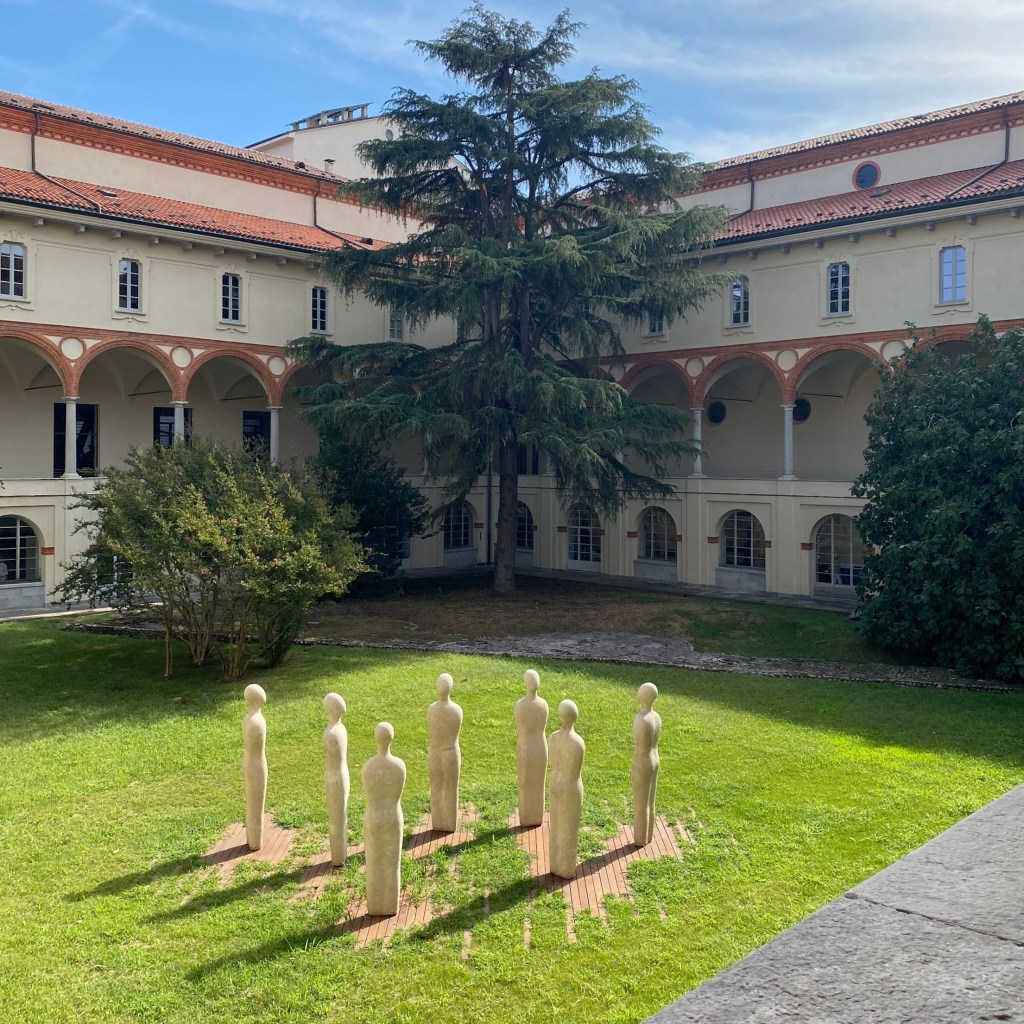
Finish the day with a stop at Pinacoteca di Brera. The Brera museum is the main museum for paintings in Milan and features Italian painters from renaissance to modern times. The collection is housed in a 14th century monastery which also holds the Braidense National Library, Brera Fine Arts Academy, the Instituto Lombardo, an observatory, and a botanical garden. If you find day three to be too much of a focus on the arts for your taste, we recommend the Brera Botanical Garden and a stroll up to the Porta Nuova gate.
Evening
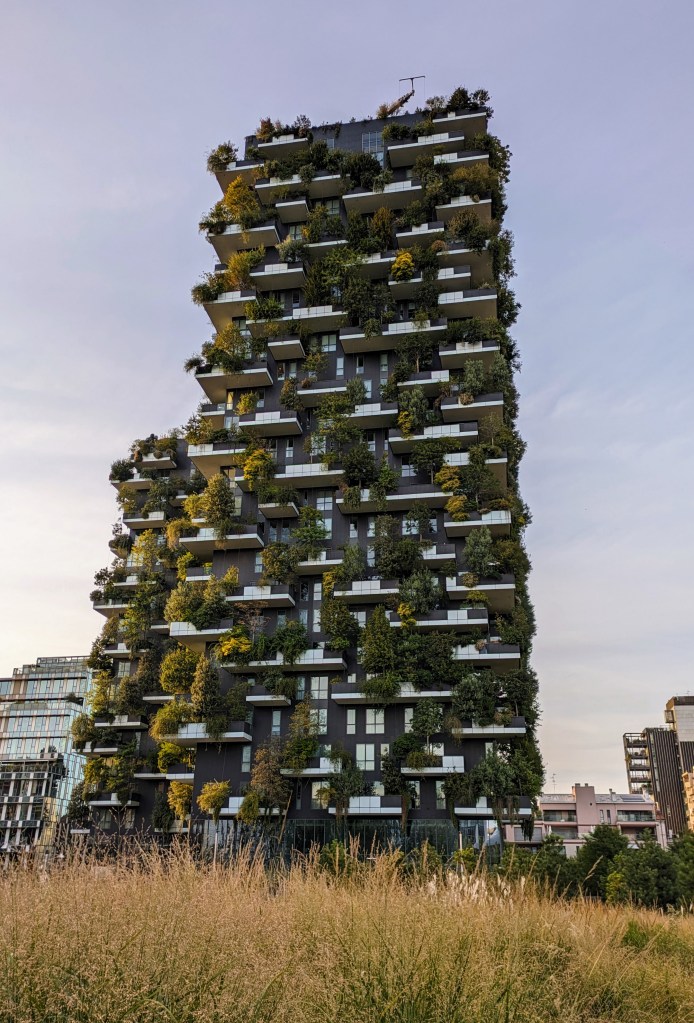
Wind down your last day in Milan like the locals do by going for a stroll in the BAM Tree Library park, in the center of the Porta Nuova neighborhood. In and around the park you will find a number of aperitivo and dining options. We highly recommend Ratanà, an upscale restaurant focused on local ingredients by chef Cesare Battisti. This restaurant is renowned for its Veal Costeleta, which needs to be ordered with two days advance notice, but you also can’t go wrong with any of the several evergreen and rotating risottos on offer.
How to Extend Your Time Around Milan: Pavia
A visit to the university town of Pavia and its famous Certosa makes an excellent day trip from Milan. Hop on a regional train from Milano Centrale, and check that the train stops at the Certosa di Pavia station. This small train station is a quick walk to the cathedral (whereas the main Pavia station is about a five mile walk to the cathedral).
The Certosa is open in the morning and afternoon (with a midday closure). If you speak Italian, there are monks who will give guided tours. Otherwise, you can explore the complex for yourself. Built over the course of the fourteenth and fifteenth centuries, the church is home to an active group of Carthusian monks (the same order which make Chartreuse). The interior is richly decorated and all the more majestic for the silence that envelops it, a product of the fact that the Carthusians are known for emphasizing silent contemplation.
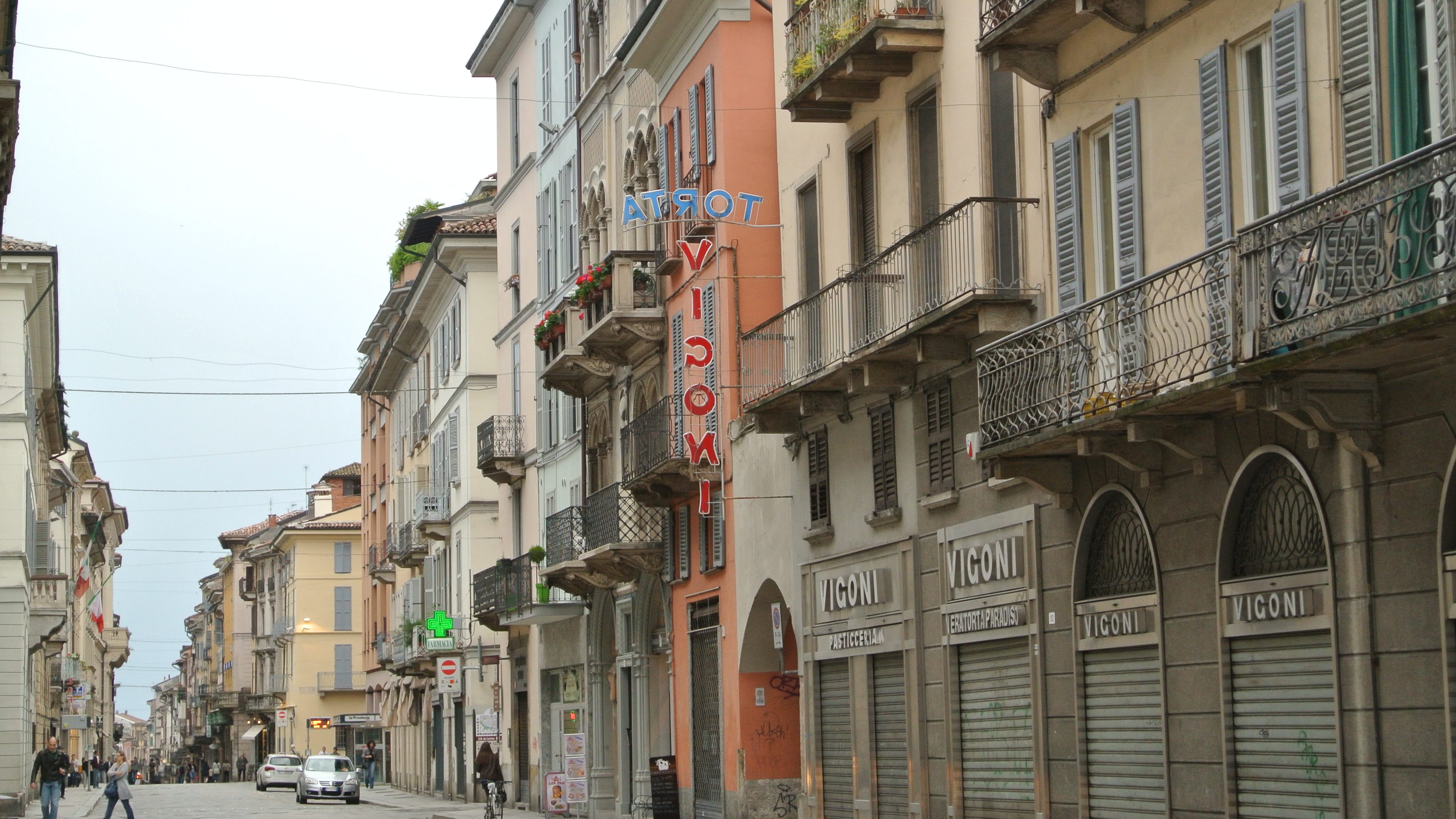
After your time at the Certosa, return to the train station to continue into Pavia. The train station in Pavia is located on the edge of the historic center. From here, follow Via Vittorio Emmanuele until you pass the statue of Minerva. Then turn on Corso Cavour until you reach Strada Nuova. This street is the center of the small university town, and is busy at all times of day with students and locals shopping, meeting for coffee and just walking around.
If you’re hungry, stop for lunch at one of the many cafes that line the Piazza Vittoria. They all offer a similar variation on salads, sandwiches and pasta. After eating, walk toward the southern end of the piazza and make a right then a left to reach the Piazza Duomo. Unlike the Certosa you saw in the morning, Pavia’s Cathedral is notable for its unfinished exterior (the size is still quite imposing). The Cathedral is usually closed, but you’re not missing much – it’s rather plain inside.
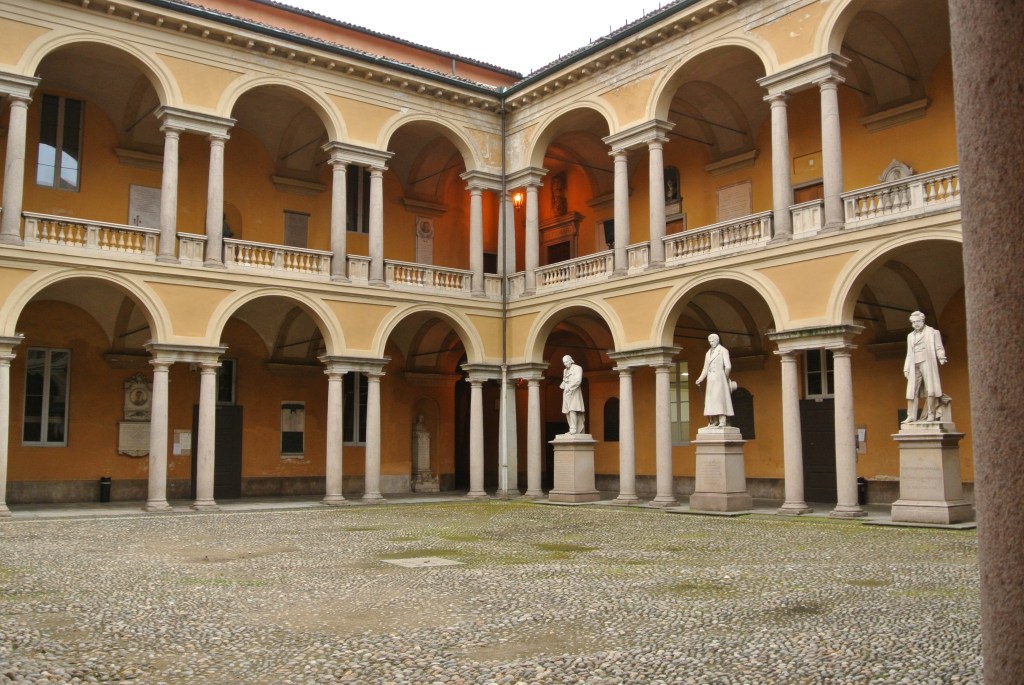
Head toward Strada Nuova to reach the main seat of the University, which is one of the oldest in Italy having been founded in 1361. The interior is plain and made up of a relative maze of courtyards. These are accessible to the public. If you visit during spring, it’s worth finding your way to the courtyard with the university cafe, which is mostly dominated by large flowering magnolia trees.
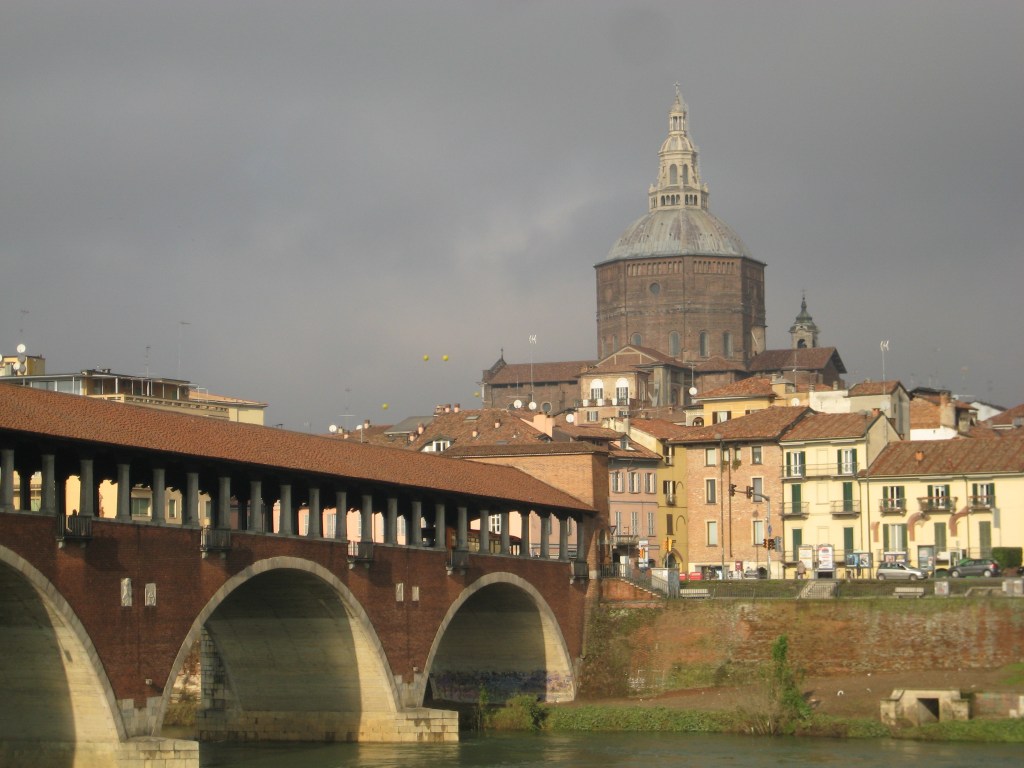
While walking around the town is a lovely way to spend an afternoon, you can also check to see if there are any exhibits on at the Civil Museum located on the town’s northern edge (housed in a former Visconti castle), meander through the university’s botanic gardens on a nice day, or walk toward the water and across the Ponte Coperto. You can also stop into Pavia’s historic churches, including the Basilica San Teodoro (built in the twelfth century) or the Basilica San Michele Maggiore (dating to the eleventh century).
 Roam The Reaches


2 thoughts on “Ultimate Guide to Milan: 3 Day Itinerary & Northern Italy Day Trips”