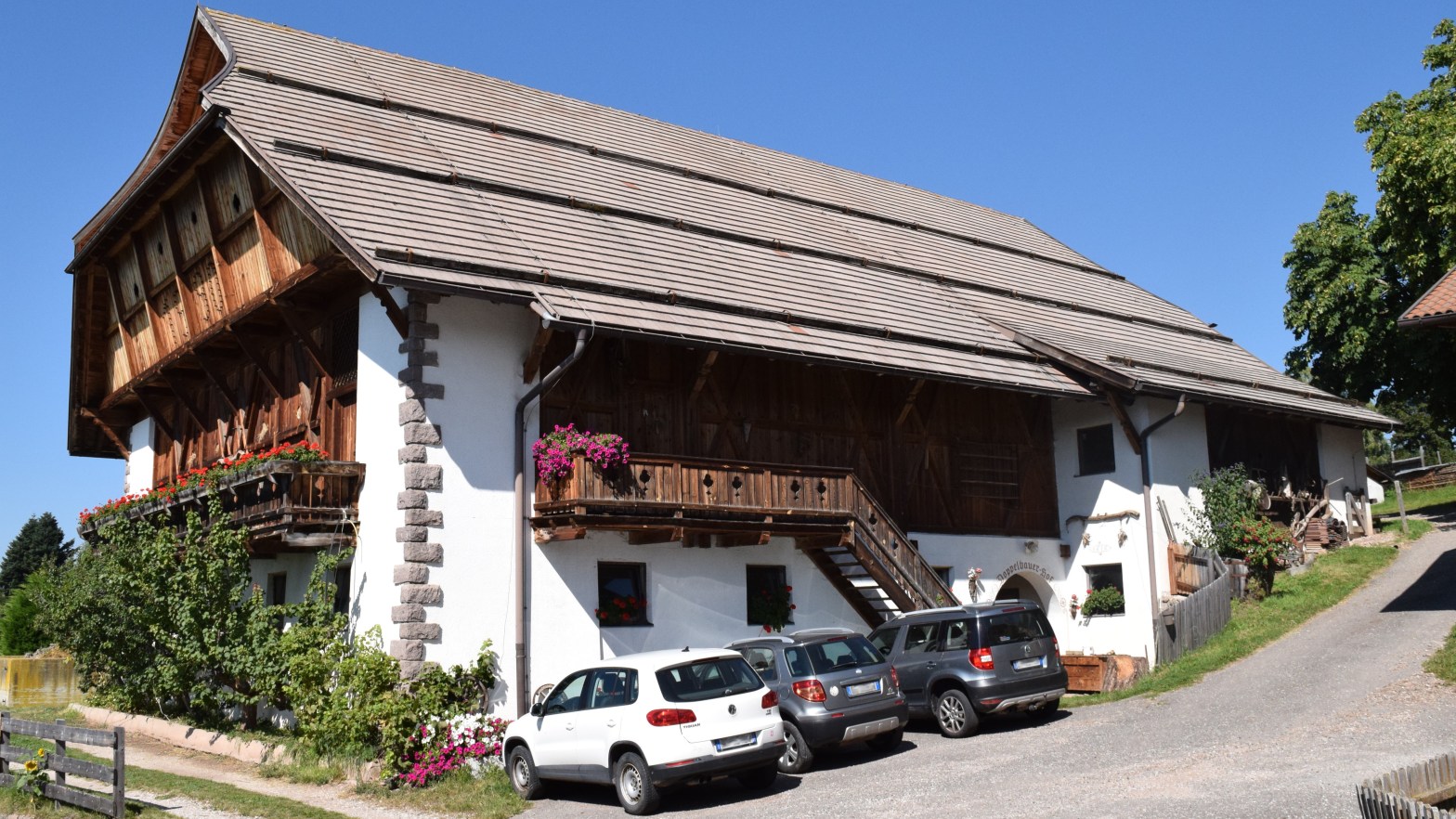
Traveling through Italy by train is great, but some places are more easily (or only) reached by car. But cars open you up to the possibility of much-dreaded parking tickets. If you are renting the car, you could leave the ticket to your rental company, but they usually charge a steep fee for doing so. Instead, you should pay your parking ticket yourself. Unfortunately, doing so in Italy is not straightforward. This post breaks down the process of paying a parking ticket in Italy.
What’s Included:
Tips to Avoid Parking Tickets
There are a few simple things you can do to avoid getting a parking ticket: understand if the spot you are parking in is paid or free, know how to pay for parking (if required) and put your parking disk in your windshield.
Determining Paid vs Free Parking
Italy has a uniform color-coded system for public parking spots that make it easy to tell where you can and cannot park and whether the parking is paid or free. Public parking spots come in three colors: yellow, blue, and white.
- Parking spots with yellow outlines are reserved for residents or otherwise require a special permit for parking. Never park in one of these spots unless you know your car has the correct permit.
- Parking spots with blue outlines are paid parking. They are found both on the street and in parking garages.
- Parking spots with white outlines are free parking. They are typically found on the street.
How to Pay for Parking
When you pay for a parking spot depends on whether you’re parking in a garage or on the street. In a garage, you’ll pay before you drive out. On the street, you’ll pay when you park..
In parking garages, you generally receive a ticket when you pull into the garage. Hold onto this ticket because you’ll need it to pay when you leave. To pay, you’ll need to find an automated kiosk, usually located near a stairwell or garage entrance. Insert your ticket, then follow the instructions on screen to pay for the amount of time you stayed in the lot. While most garages accept both card and cash, some may accept only one or the other.
When parking on the street, look for a kiosk along the sidewalk. You’ll use the kiosk to select how long you plan on parking, then pre-pay for that amount of time. When you pay, you may need to give your license plate number (if you have a rental, the license plate number will be written on a fob on the keychain). Stick the ticket on your dashboard so it’s clear that you paid.
Using Your Parking Disk
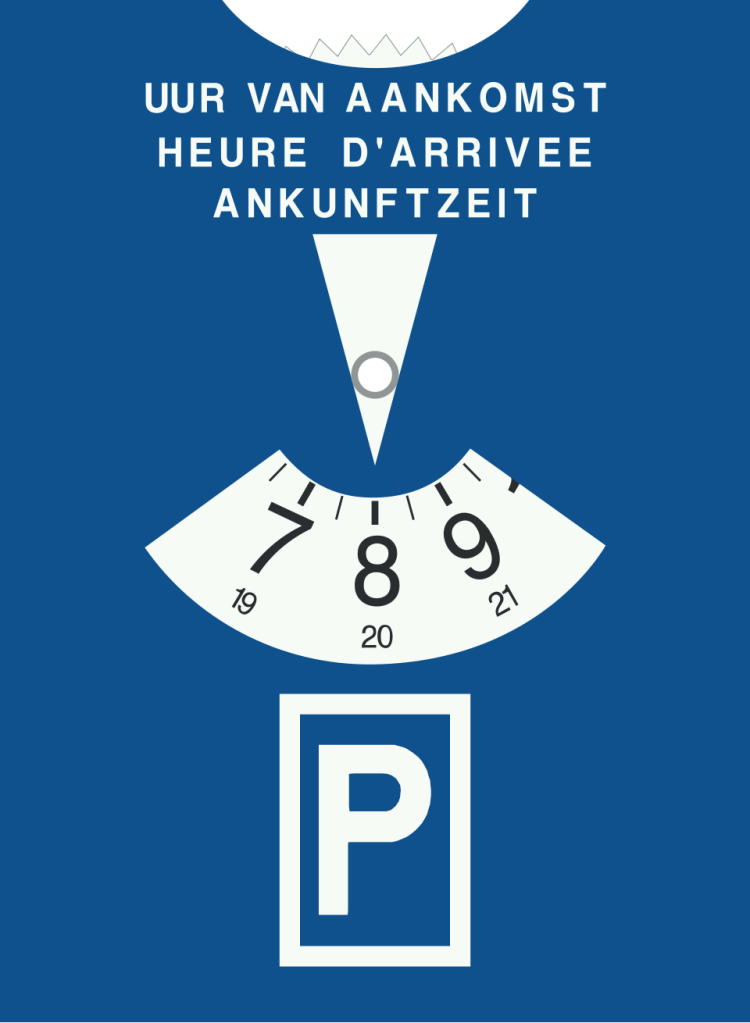
In Italy, and many other European countries, you use a parking disk to indicate how long you’ve remained in a free (time-limited) parking spot. If you are in a rental car, check the glove compartment for a blue and white piece of cardboard with a clock face on it. That is your parking disk.
To use your parking disk, rotate the clock face until it reads the current time (e.g. the time that you are parking) – this doesn’t need to be precise, but within 15 minutes is a good measure. Then, place the parking disk in your windshield. If the police come around to check cars, they will be able to see when you parked and compare it against the current time to see if you have overstayed your visit. If you do not put your parking disk in your windshield, you risk getting a ticket, so it is always safest to put your parking disk up whenever you park.
Check nearby parking signs to find the time limit for the parking spot, and be sure to return to your car before then. You are not supposed to return to your car and adjust your parking time forward to extend your parking.
How to Pay an Italian Parking Ticket
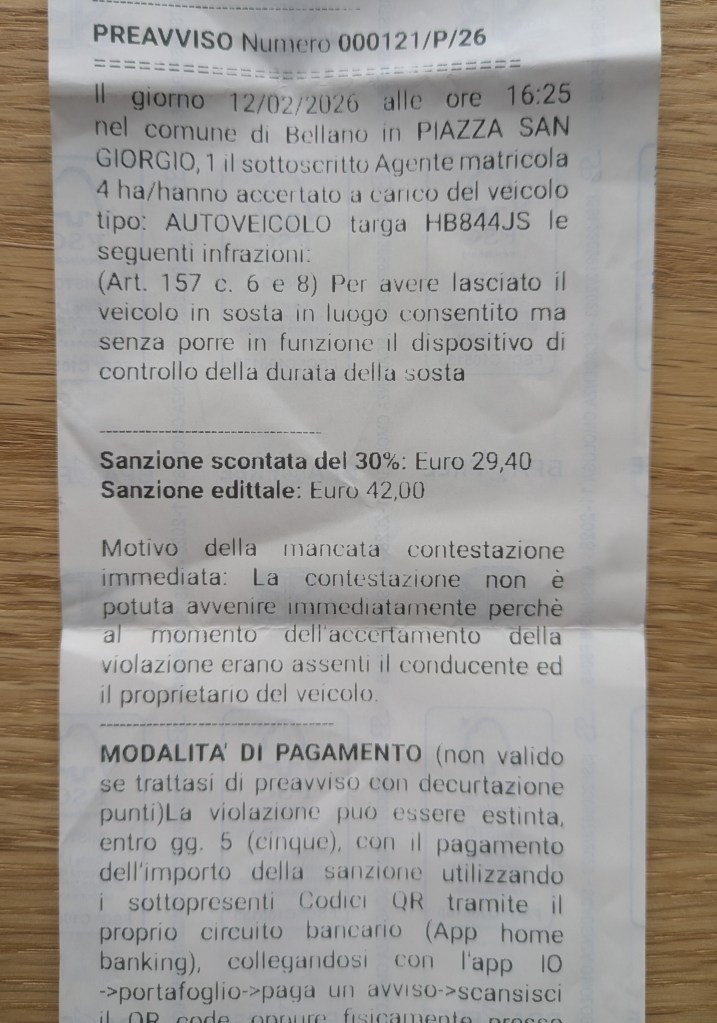
It’s important to pay your parking ticket within the first five days of receiving it. Nationwide, parking tickets have a 30% discount applied when paid promptly. If you wait, you will end up paying the full price. If you carefully read the top of your parking ticket you will see the discounted price (Sanzione scontata del 30%) and the full price (Sanzione edittale) of the ticket.
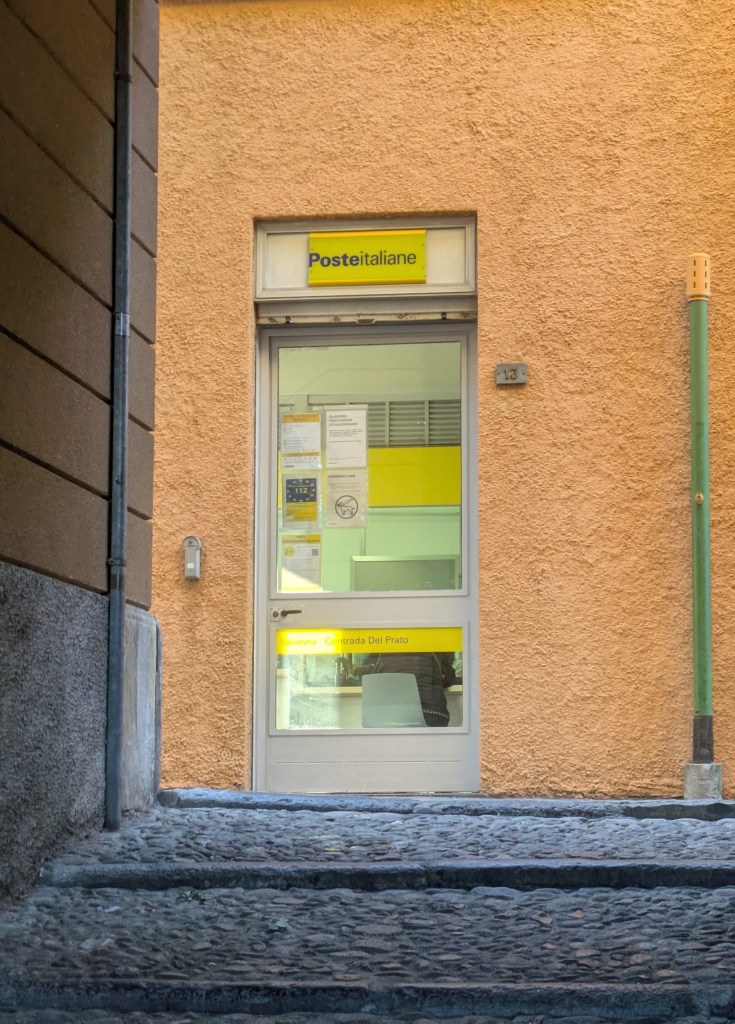
If you do not have an Italian bank account, you cannot pay the ticket online. Although the ticket will include a QR code you can scan, which offers several ways to pay, none of them will work without an Italian bank account. If you do have an Italian bank, you can pay with a service or credit card tied to that bank. If you do not have an Italian bank, don’t worry. Parking tickets can be paid at any post office – the Posteitaliane – in cash.
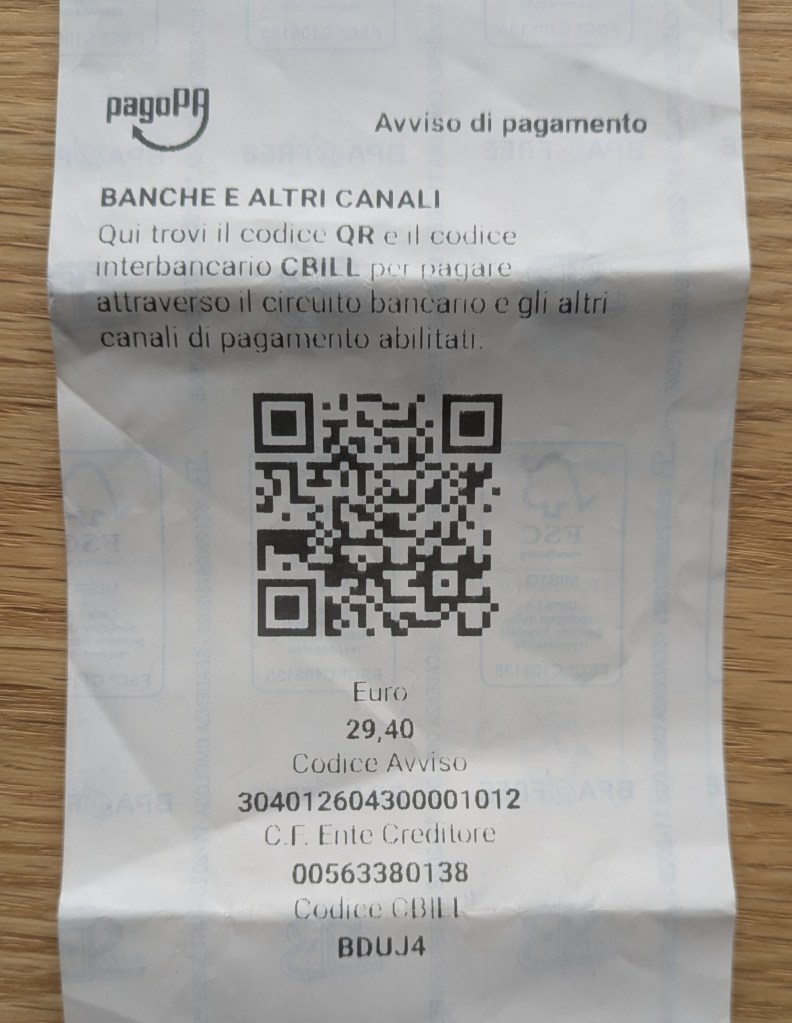
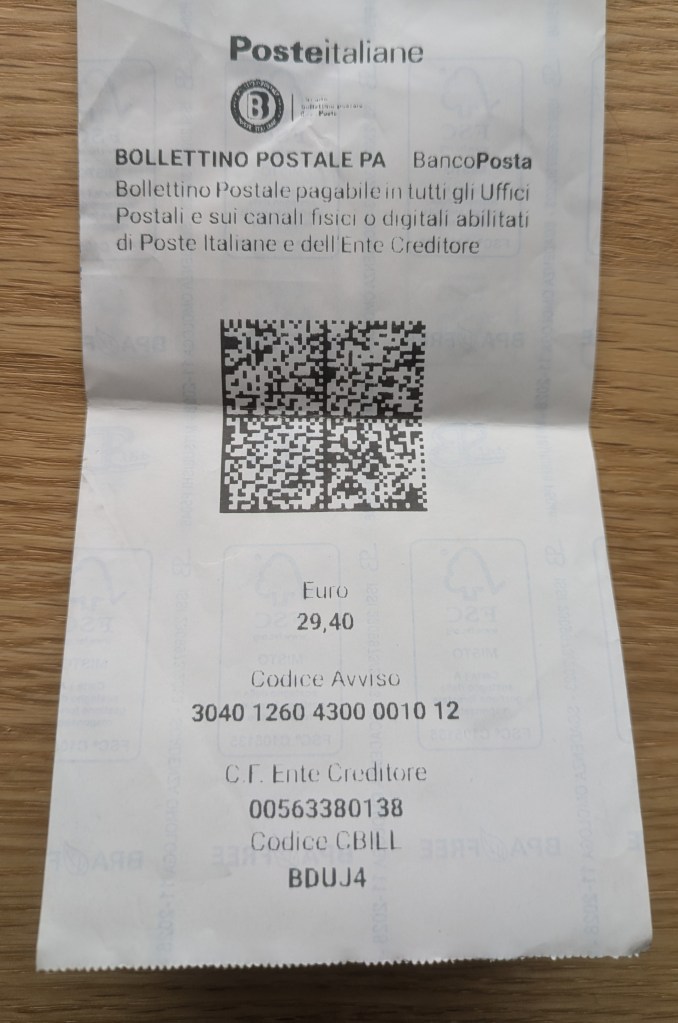
Find the nearest post office, easily identified by their bright yellow sign. Note that post office hours vary and may be closed even on weekdays in smaller towns. If the post office is busy, you may need to take a ticket and wait your turn to see a clerk. Once you are seen, just ask to pay your parking ticket (Vorrei pagare la multa del parcheggio, per favore.).
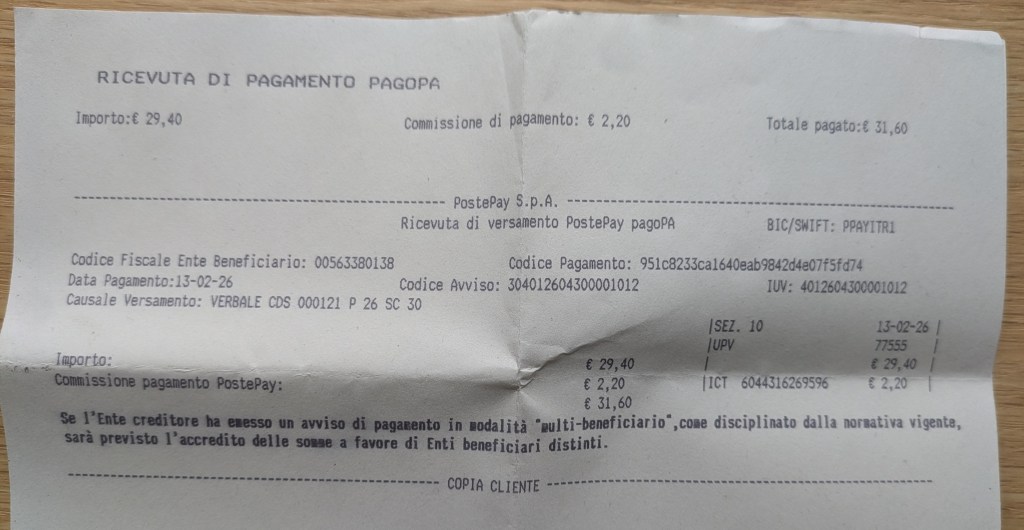
The clerk will need the receipt that you plucked off your windshield. Once again, if you do not have an Italian bank account, you will not be able to pay with debit or credit card. Instead, you must pay in cash. The post office charges a small convenience fee, but it is still much cheaper than letting your rental company take care of it. The clerk will give you a receipt for the transaction, at which point you are free and clear to continue on your journey without worry.
 Roam The Reaches